
IFOODTC 2026. CAMBRILS. COSTA DAURADA. SPAIN
I travelled to Cambrils for the inaugural International Food Tourism Conference (IFOODTC 2026), joining tourism professionals from across the world. The stage was set for us to experience the best of the Costa Daurada region, explore how gastronomy has shaped coastal destinations over centuries by preserving their local identity. And finally, to create new business opportunities.
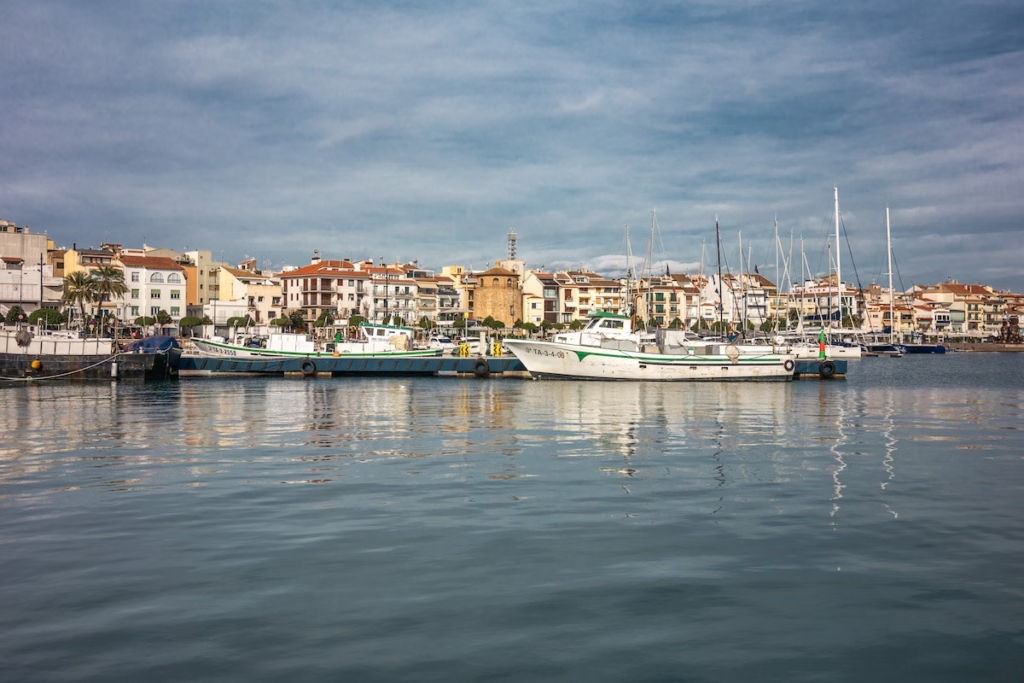
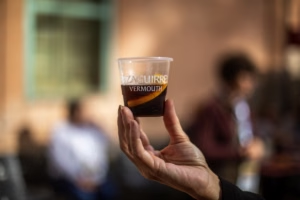
Early afternoon on 9 November, I arrived at Sol Port Cambrils, which served as our hotel and conference venue. The programme opened with an official welcome reception at the iconic Bodegas Yzaguirre. Discovering the best flavours of Vermouth Yzaguirre inside an iconic site of Catalunya, I couldn’t have imagined a better start to the conference. The next two days brought interesting presentations, industry discussions and workshops. Speakers explored critical topics such as sustainable gastronomy, destination development, digital visibility, and new business opportunities in food tourism.
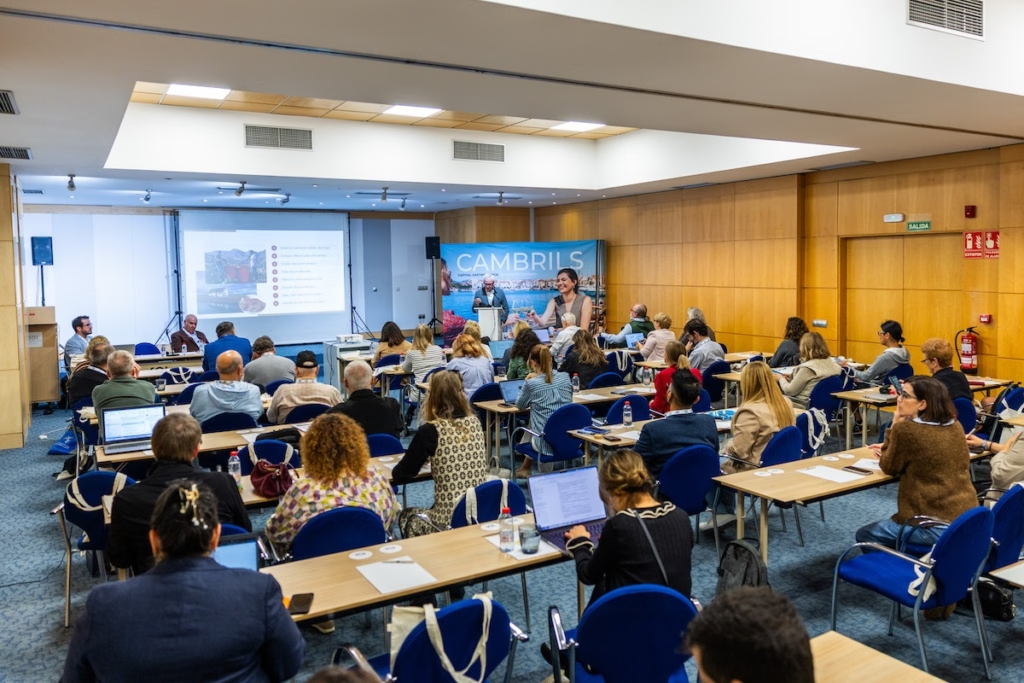
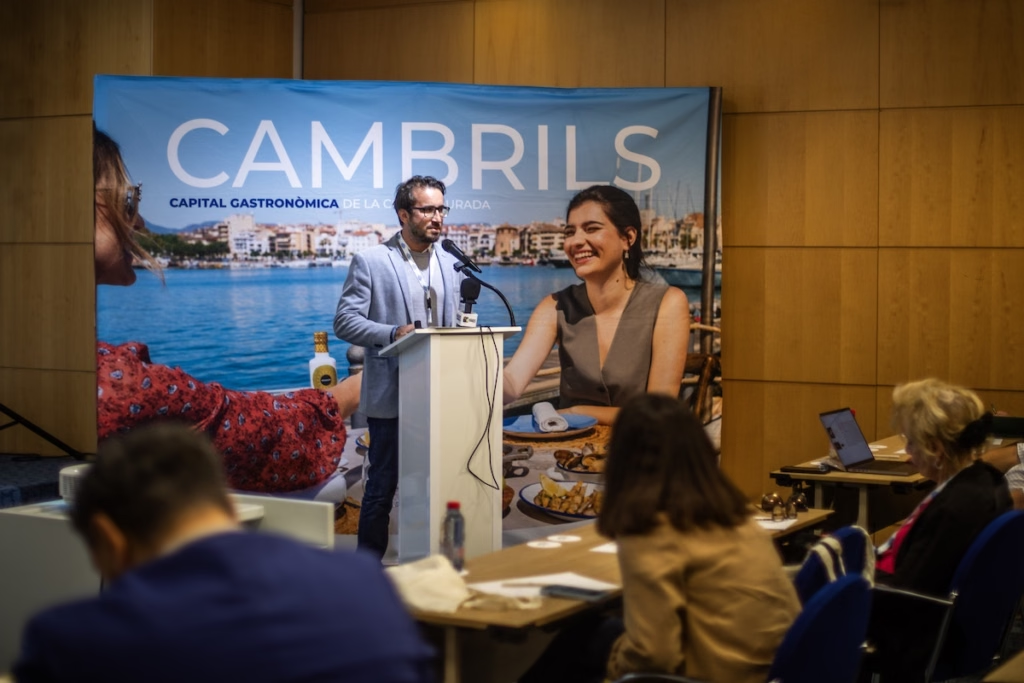
This was Cambril’s moment to showcase the destination’s gastronomic delight to an international audience. And they served it with class! The choice of conference topics paired with exclusive experiences made it a truly unique programme that went beyond presentations and workshops.
Outside the Sol Port Cambrils conference rooms, the region seamlessly blended with many of the themes being discussed. Visits to its fishing port and agricultural cooperative, followed by immersive local culinary experiences, brought us closer to the people and the tales of local Mediterranean food culture. It was a perfect introduction to the Costa Daurada’s gastronomic heritage.
IFOODTC 2026: Conversations shaping the future of food tourism
The conference programme featured speakers from across the food tourism, marketing, and travel industry. On 10th November 2026, Mayor Oliver Klein opened the first International Food Tourism Conference with a warm welcome. Patricia de Miguel, Councillor for Tourism in Cambrils, followed it up.
Next, Vadim Koryagin, Director of the Municipal Tourism Board of Cambrils, opened up the discussion with Cambrils: Where the Mediterranean Comes to the Table. Vadim took us through Cambrils’ fishing traditions, agriculture and gastronomy. Octavi Bono, Director of the Tourism Board of Tarragona Province, took a wider regional approach, discussing wine, gastronomy and the importance of promoting local products and their origins across the Costa Daurada and Terres de l’Ebre.
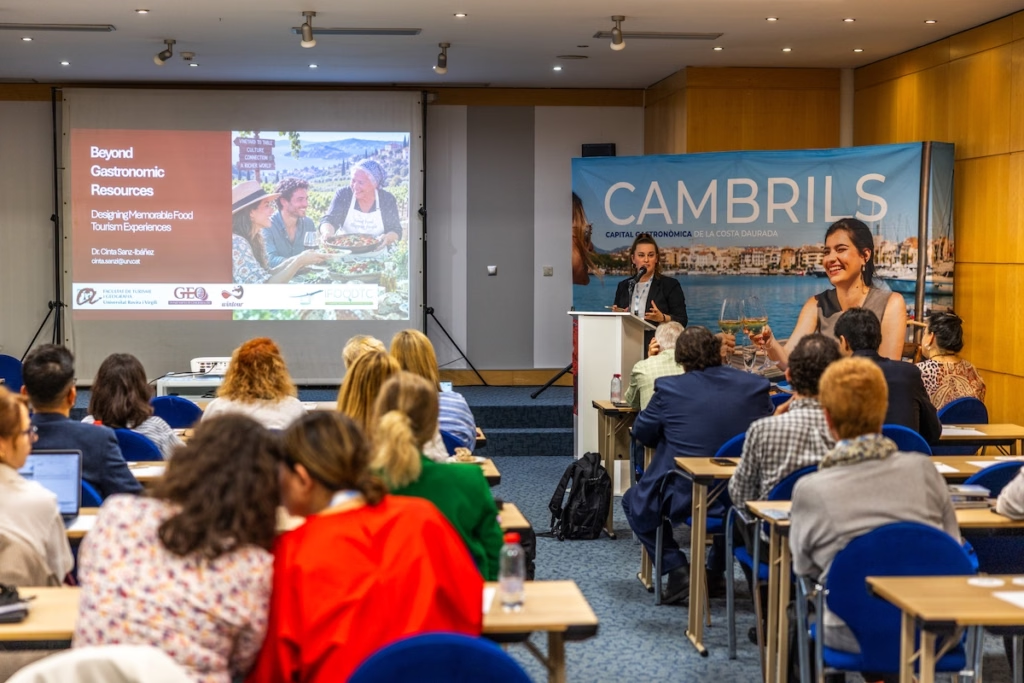
Peter Syme of Tourpreneur explored the changing food tourism market, what travellers are looking for and where the opportunities lie. Elia Carceller Sauras spoke about sustainable gastronomy, with particular attention to seasonal menus, local sourcing and reducing food waste. Judith Lewis of Decabbit Consultancy took us into the digital side of food tourism. She discussed how travellers discover culinary experiences through search engines, social media, maps, reviews and increasingly, AI-powered search.
The second morning (11th November) continued with Juan Manuel Revuelta’s presentation on EU funding opportunities for agricultural and wine tourism projects. It was followed by Dr Cinta Sanz-Ibáñez’s discussion on designing memorable food tourism experiences from regional products and traditions.
We had plenty of takeaways from these sessions. Sustainable food tourism is growing beyond the traditional restaurant and tasting experience. The emphasis was on destinations understanding what visitors are looking for and how to present their local offerings. More importantly, how can they make these experiences easier to discover and book?
Growing food tourism businesses: New markets, products and partnerships
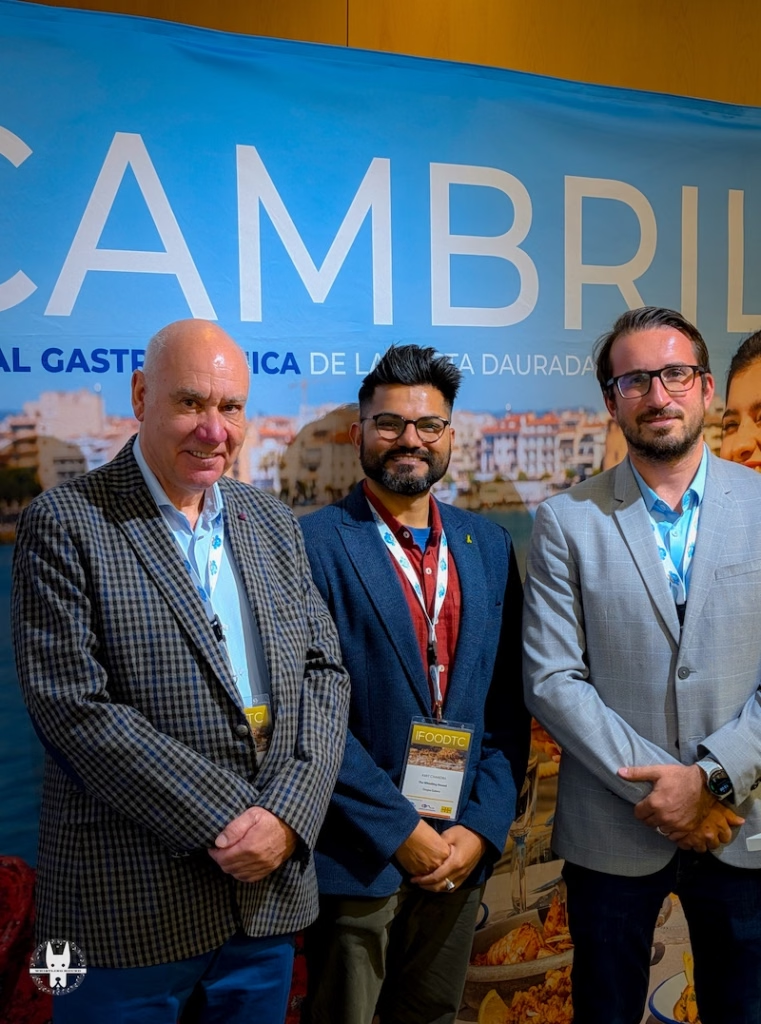
The conference highlight for me was the final workshop on the second morning: Growing Your Food Tourism Business: New Markets, New Products & More Sales, led by Peter Syme. The session addressed major pain points for tourism businesses. It covered: how to reach new customer groups, develop new experiences and add culinary offerings to existing products. A highly relevant topic for tour operators and experience providers. Food is an essential part of an itinerary. It offers tourists a whole new reason to explore a destination and spend more time with local businesses.
The business side of IFOODTC continued with a dedicated B2B Food & Beverage Tourism Workshop. We all (local providers and international tourism buyers) had the opportunity to meet through pre-arranged one-to-one meetings. Discussions involved offers and potential commercial partnerships. It was an important part of the programme because food tourism businesses also need the right connections to thrive. Having excellent local produce, interesting culinary traditions, and passionate experience providers is one thing. Reaching international markets and turning these offerings into bookable experiences is another. IFOODTC created a platform for both.
Discovering Cambrils’ olive oil heritage
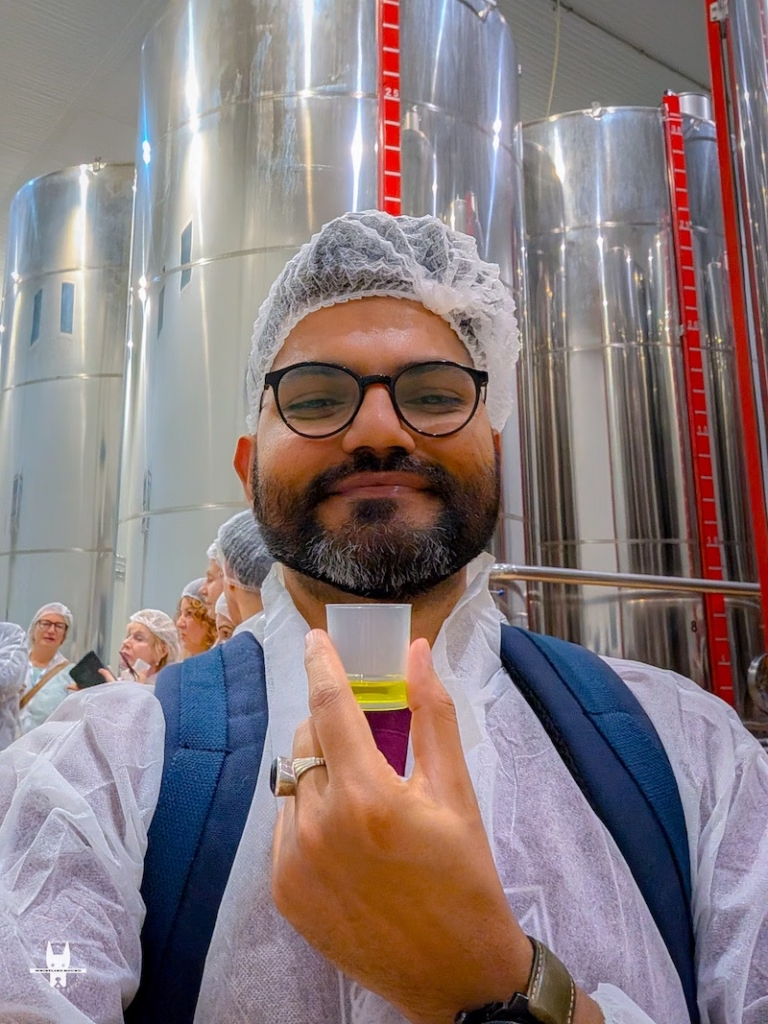
We began the day with a visit to Agrobotiga Cooperativa Cambrils, where we took a guided tour of its olive oil production facility. It was interesting to learn about the scale of the facility and watch the processes involved in olive oil production. The highlight was getting to taste fresh olive oil straight from the container tap! Mestral olive oil is such an important part of Mediterranean cuisine here. For anyone exploring food tourism in Cambrils, this is a worthwhile experience.
Food tourism in Cambrils: From the fishing port to the table
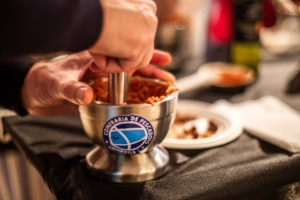
As part of the IFOODTC, we experienced the core food traditions of Cambrils. We were introduced to the fishing customs and maritime cuisine that have shaped the town’s identity for generations. We visited the Confraria de Pescadors de Cambrils, where we uncovered local fishing community traditions and the Mediterranean Sea’s role in local gastronomy. The Romesco and Fisherman’s Kitchen Experience was a delicious introduction to the local food. Cambrils is reputed for its seafood, but understanding the people and traditions behind it makes the food much more satisfying.
Bluefin Tuna Catamaran experience
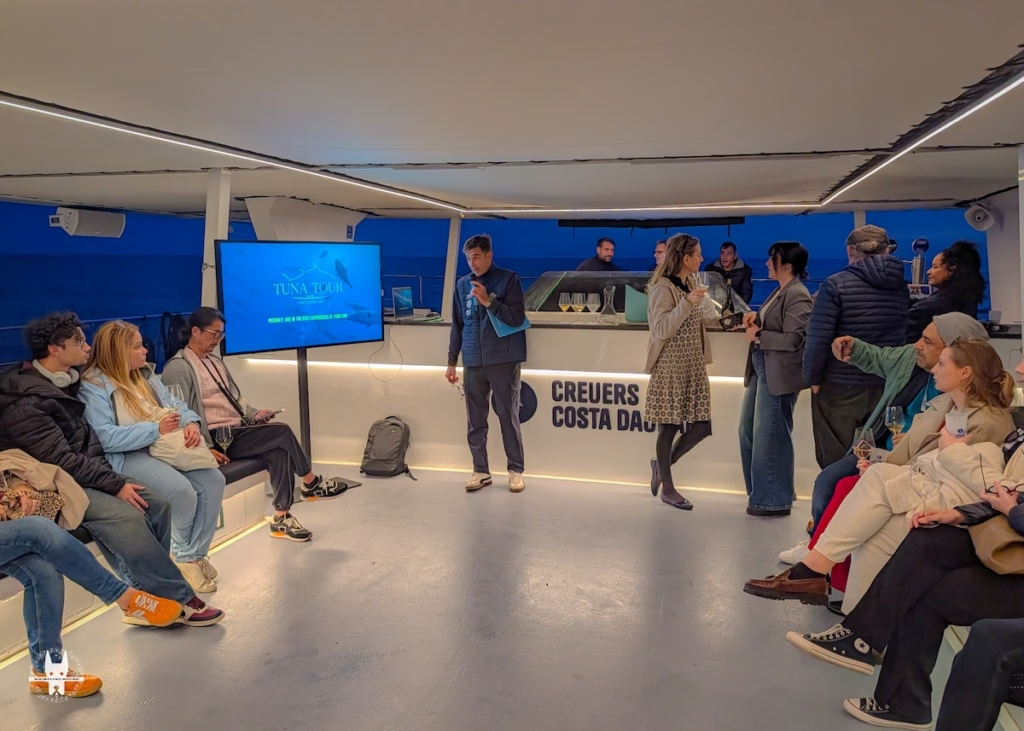
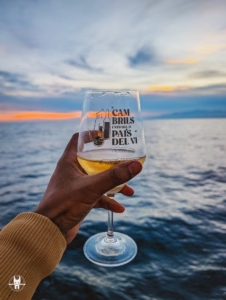
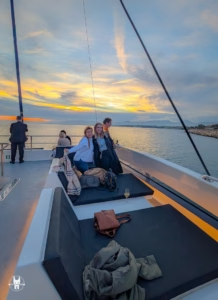
The Bluefin Tuna Catamaran experience took the spotlight for the day. We learnt about bluefin tuna, its place in Mediterranean fishing culture and its journey from sea to table. The tasting was created to leave a lasting memory. Bluefin tuna was paired with a glass of Garnacha Blanca, aged underwater in the Mediterranean, while watching the sun set over the sea. This experience on Costa Daurada will stay with me for a long time!
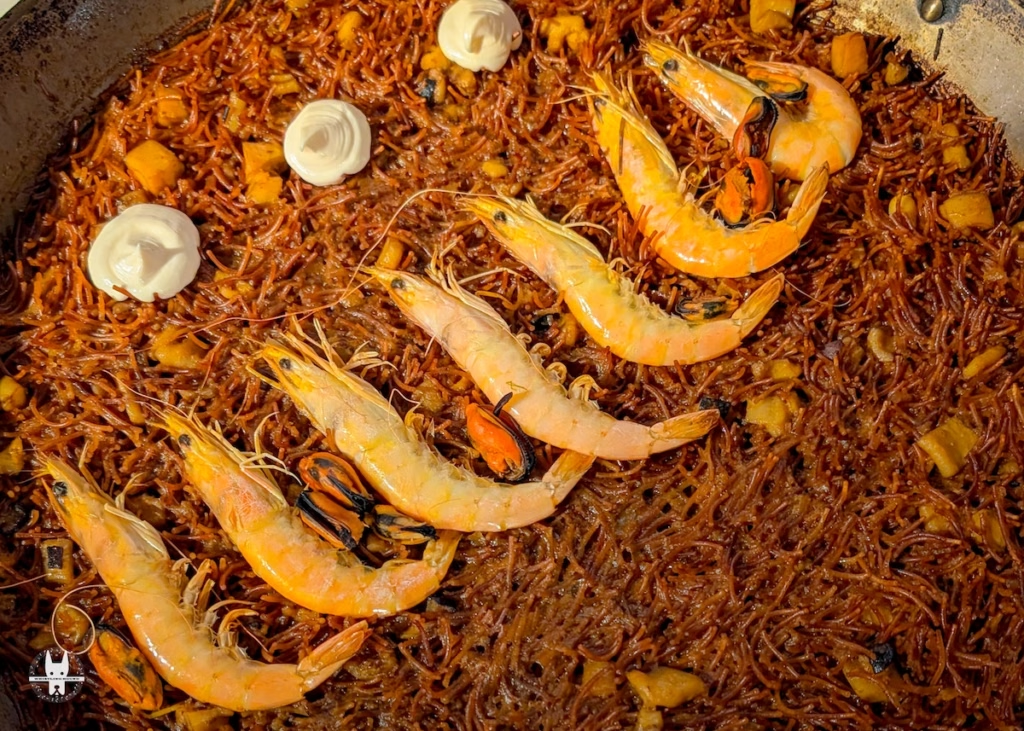
The evening leaned more into local traditions with Fideuà Rossejada, a traditional fishermen’s dish, and Ron Cremat, the Catalan burnt-rum drink, accompanied by sea shanties. Making new friends while soaking in the best of Catalunyan vibes! This day couldn’t have ended better. There is something quite special about discovering traditional food in its cultural setting, with music and stories adding to the experience. It makes you understand why certain dishes have remained such an important part of local life. It offers a unique perspective through lived-in experiences. IFOODTC 2026 Cambrils allowed me that opportunity.
Exploring Costa Daurada Beyond Cambrils
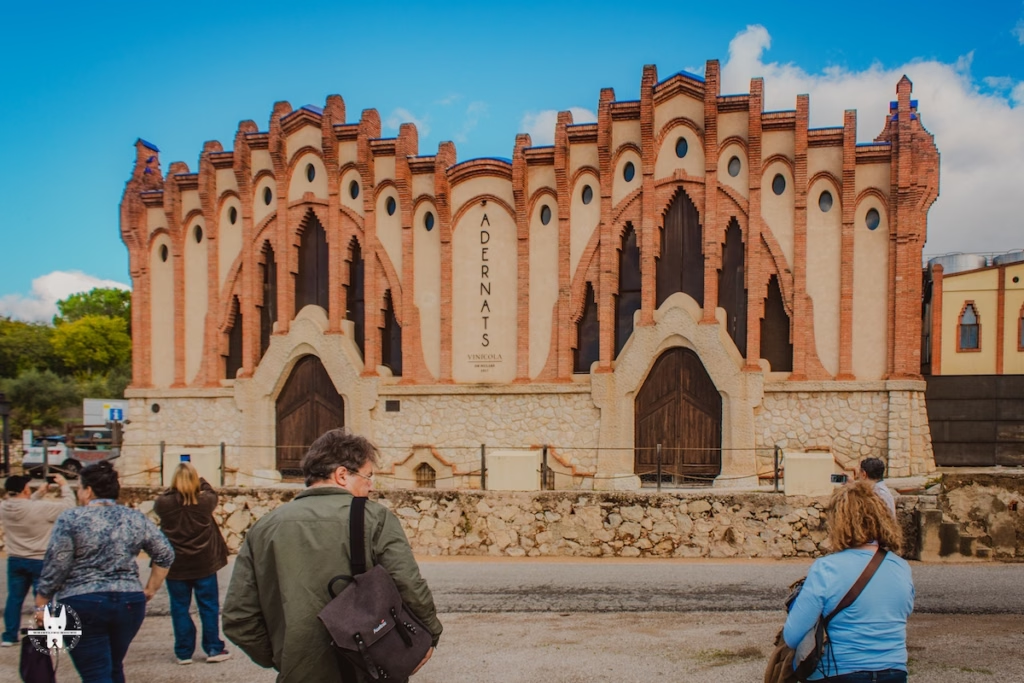
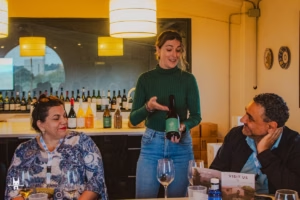
The IFOODTC 2026 Cambrils programme also took us beyond the usual attractions. It allowed us to explore more of the Costa Daurada and its culture and gastronomy. We began our final-day excursion with a visit to the Royal Monastery of Santes Creus, one of the finest examples of Cistercian architecture in Catalonia. Its history, impressive cloisters and royal connections made it a fascinating stop. Next up, we headed to Adernats, the historic Vinícola de Nulles, popularly known as the Cathedral of Wine. Designed by Cèsar Martinell, an architect influenced by the Catalan Modernist movement, the winery blends architecture and agricultural heritage. Our guided visit and wine tasting offered another perspective on Costa Daurada food tourism’s connection with wine production.
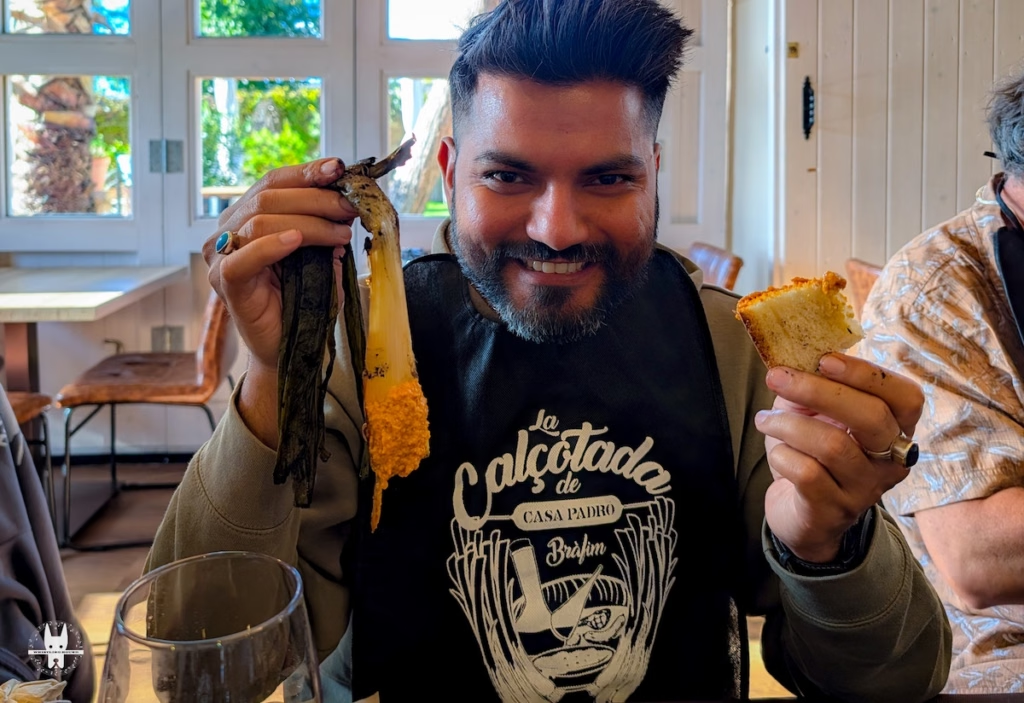
Feasting didn’t stop! It was IFOODTC – an international food tourism conference after all. At La Terrassa Del Gastro Botanic, we enjoyed a traditional Catalan calçotada, with grilled calçots and romesco sauce. It was a messy yet utterly satisfying lunch with countryside vibes. The amazing staff made sure we ate unhinged, free from any judgement! 😉
A visit to Tarragona followed next. This was the final stop for the day and a fitting way to end an amazing 4-day programme. We walked the historical cobbled stones while listening to the city’s Roman heritage stories from our local tour guide. For the farewell dinner, we reached El Serrallo, the fishing district of Tarragona, for an eat-until-you-drop dining experience.
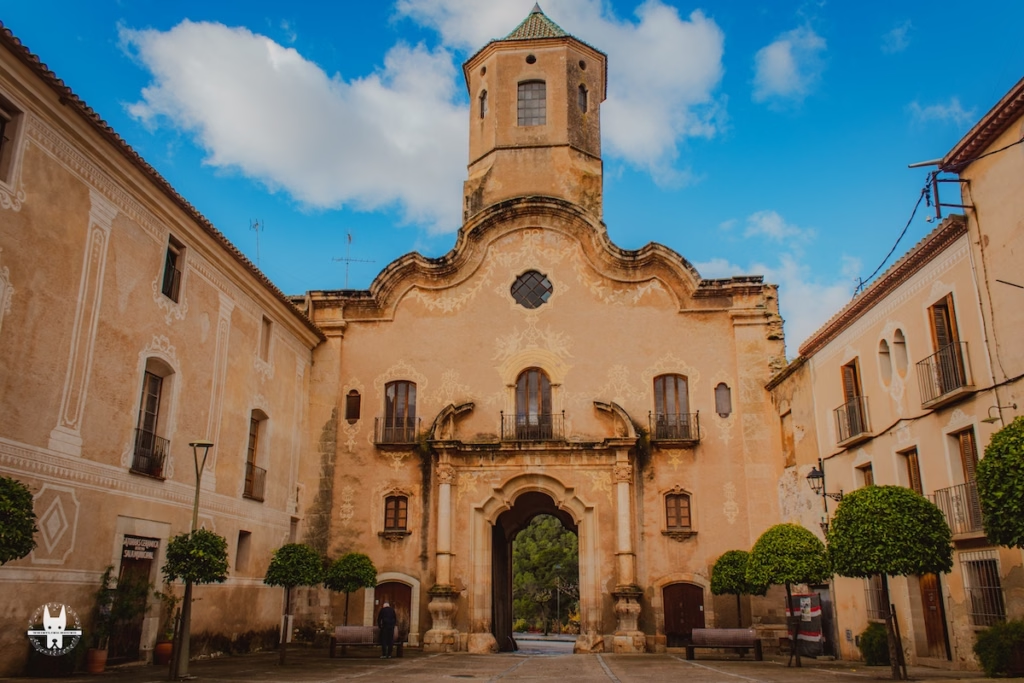
All of these excursions added another dimension to our experience of Costa Daurada food tourism. From wine cooperatives and agricultural traditions to seasonal Catalan food and maritime communities, there is plenty to discover. Cambrils gastronomy makes it only better.
My takeaway from IFOODTC 2026
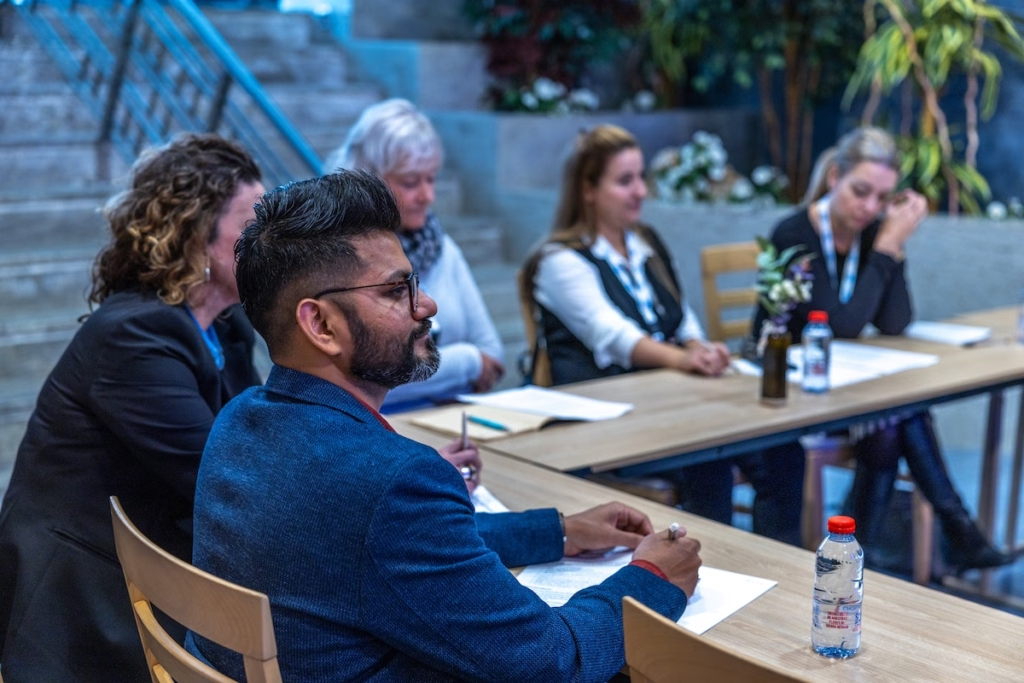
As someone working across Central Europe tourism, private guiding, travel writing and destination storytelling, I found IFOODTC 2026 a fantastic experience. The conference, the experiences in Cambrils, and the wider Costa Daurada gave me a fitting story worth sharing with the world.
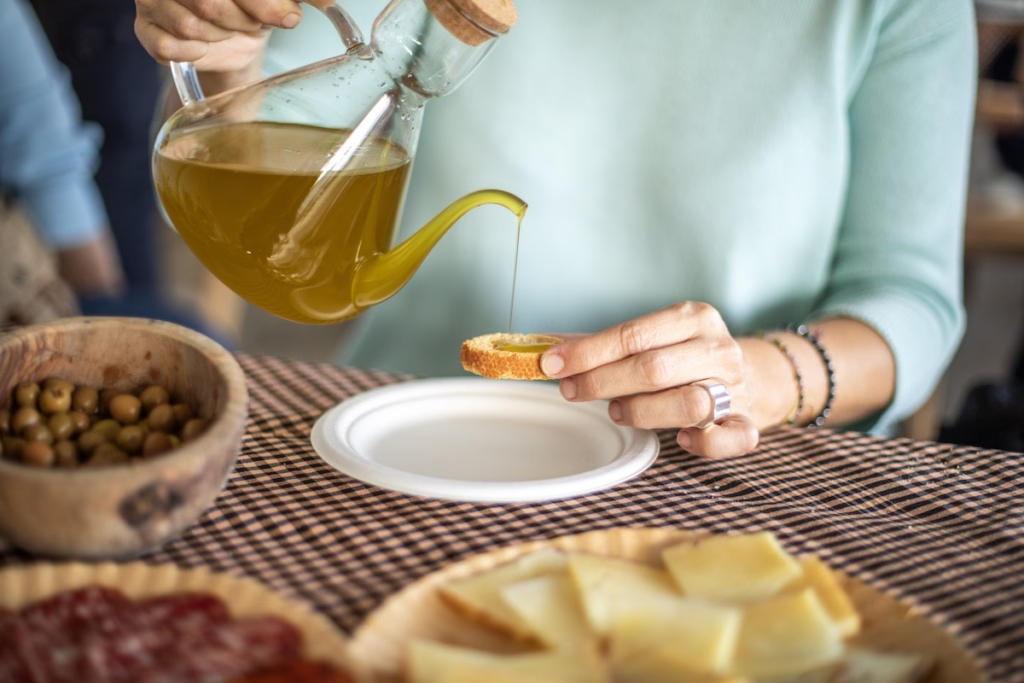
For me, the biggest takeaway is that food tourism has enormous potential, especially when destinations recognise the value of their local producers, culinary traditions and agricultural heritage. All we need to do is put these together, build experiences around them, and make them visible to international travellers. This is where destination marketing, local partnerships and the international travel trade play a pivotal role.
I convey my special thanks to Anthony Swift and the team at Wine Events Worldwide for making the inaugural IFOODTC possible. Moreover, my appreciation also goes to the Cambrils Tourism Board, Costa Daurada Tourism Board and Agencia Catalana de Turisme for organising and supporting this press trip and introducing us to the region. A special mention to Vadim Koryagin for sharing his vision for Cambrils tourism and its gastronomic identity.
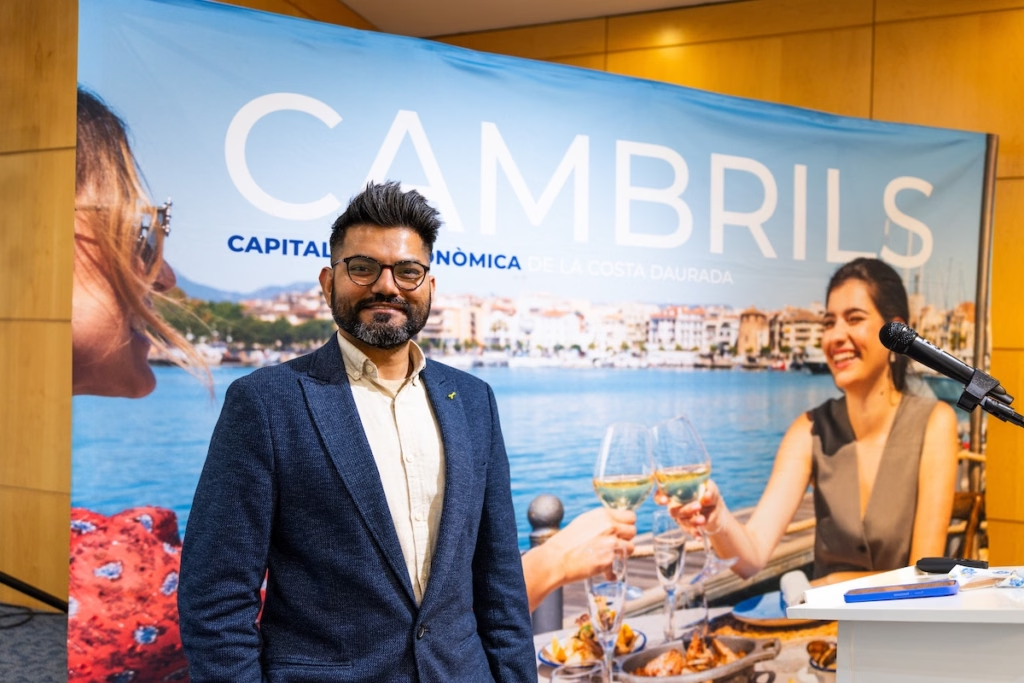
A heartfelt thank you to the team at Sol Port Cambrils for hosting us. Having the hotel and conference venue under one roof made the programme particularly convenient, especially with two packed days of presentations, workshops and networking. It was a pleasure to be part of the first edition of IFOODTC. I look forward to continuing to follow its journey and sharing more stories from Cambrils and Catalunya with the readers of Whistling Hound. Until next time!
IFOODTC 2026 Hosted Press Trip Disclosure
My visit to Cambrils and the Costa Daurada was part of a hosted press trip organised by the Cambrils Tourism Board, in collaboration with the Costa Daurada Tourism Board and the Catalan Tourist Board, alongside IFOODTC 2026. Accommodation, conference participation and destination experiences were arranged as part of the programme for invited delegates. All editorial opinions and observations are my own.
Photography & Image Credits: Photographs featured in this article combine original images taken by Amit Chandra for Whistling Hound and photographs supplied by the IFOODTC organisers. Images supplied by IFOODTC are reproduced with permission.