Just when you’re finalising your travel plans for the coming year, take a moment to read my Wrocław Travel Guide 2026. It’s designed to help you unlock Poland’s most underrated city like a pro.
Over recent years, Poland’s steady rise as a premier European destination has pushed it firmly into the global spotlight. Much of that momentum comes from its cities. The best cities to visit in Poland. I’ve lived in and travelled through a few remarkable cities around the world, and I can say without a shred of doubt that I’ve never studied any place the way I’ve studied Wrocław.
This Wrocław travel guide brings together well-known landmarks and genuine insider knowledge, shaped into neighbourhood walks, food recommendations, the best hotels in Wrocław Rynek, family-friendly activities, and ready-to-use sample itineraries. Everything here is written from the perspective of someone who lives in the city, works in tourism, and walks these streets almost every day.
Wrocław Top Attractions You Can’t Miss
Wrocław is a city wrapped in a bundle of surprises. Known for its dwarfs, romantic bridges, and island-dotted riverbanks, it blends fairytale charm with a quietly confident urban energy. Hidden courtyards, centuries-old stories, and a thriving cultural pulse reveal themselves slowly, often when you least expect them.
Whether you’re planning a short city break in Wrocław or settling in for a longer stay, keep this guide close. If you’re after practical advice, cultural quirks, and enough inspiration to plan your days sensibly, or even follow a well-thought-out guided route, this is the ultimate Wrocław city guide to start with.
Main Market Square (Rynek) & Old Town
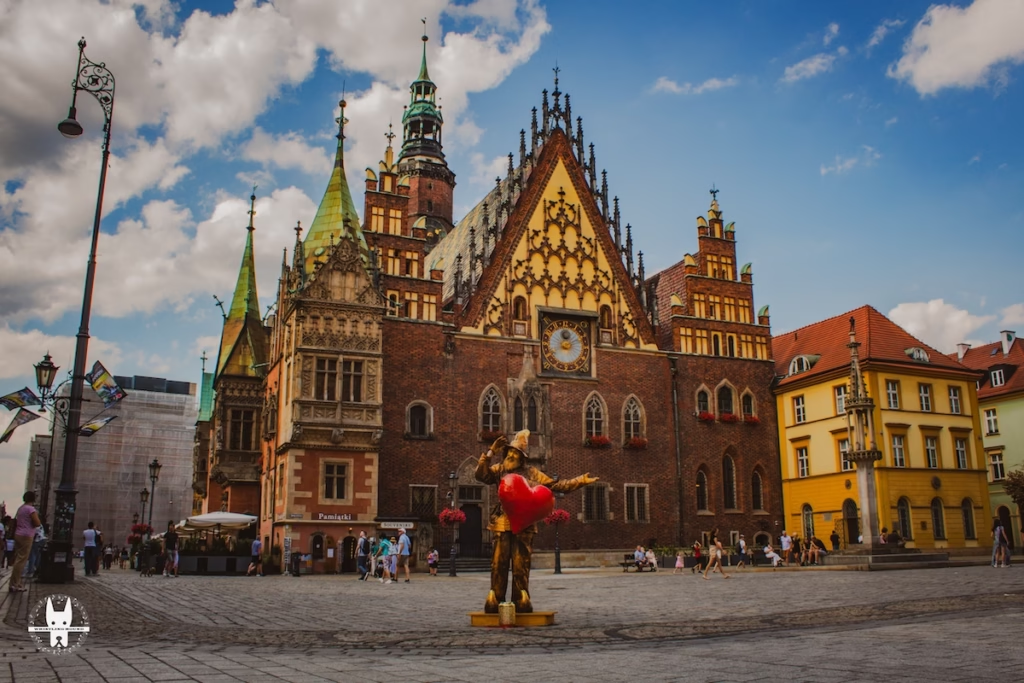
Wrocław’s heart beats here. The colourful arcaded townhouses, many tracing their origins back to 1242 AD, the lively market stalls, the Gothic Old Town Hall, and the sneaky gnomes hidden in plain sight make Rynek a love at first sight.
Lose yourself in the narrow alleys, walk the worn cobblestones of Stare Miasto, step into the baroque courtyards of the Ossolineum, and then pause at a thoughtfully chosen Wrocław café for unhurried people-watching.
As evening approaches, the city softens. Before night falls, the traditional lamplighter begins lighting the gas lanterns on Ostrów Tumski. Wrocław is the only city after Zagreb to continue the rare medieval tradition of gas lamp lighting. The warm glow on the cobblestones, paired with the distant hum of street musicians, creates one of the most quietly atmospheric moments in the city.
The Wrocław Dwarfs Trail
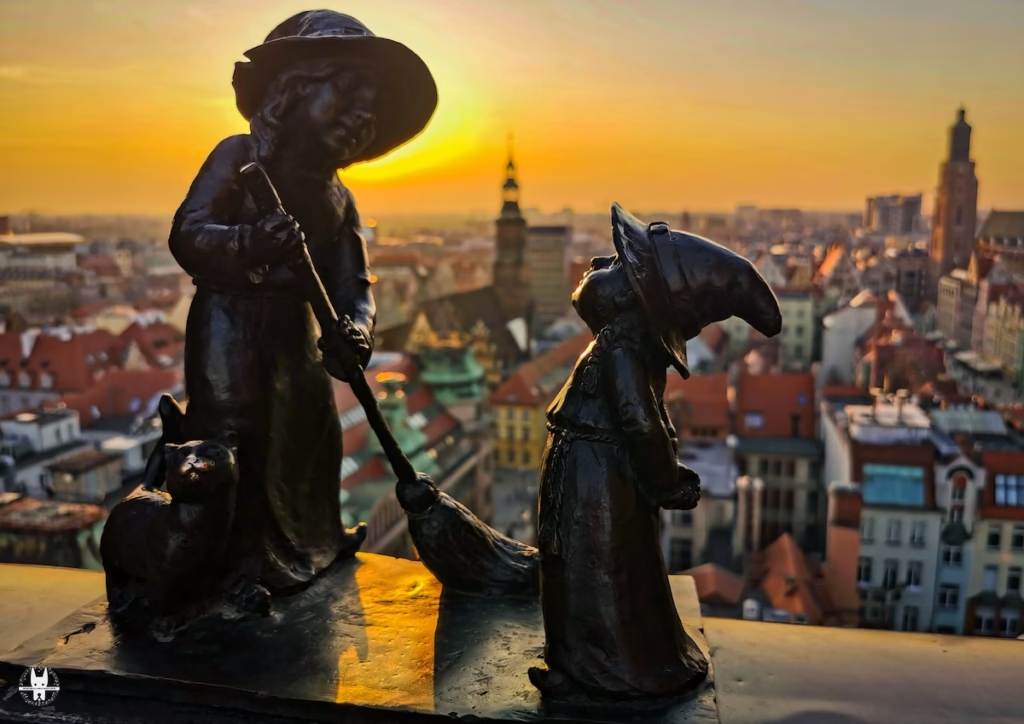
These tiny bronze sculptures scattered across Wrocław are deeply rooted in the city’s modern history. Their story begins during the communist era, when the Krasnale became symbols of the Orange Alternative, an underground protest movement that used humour and absurdity to mock authoritarian rule.
After the fall of communism in Poland, Wrocław chose to preserve this rebellious spirit. The dwarfs were reimagined and immortalised as bronze figures, gradually turning into one of the city’s most recognisable cultural signatures.
Each dwarf has its own identity. A fencer, a teacher, a plumber, a reader, a musician, a firefighter. What started as subtle resistance decades ago is now part of what makes Wrocław feel playful, layered, and deeply human.
It’s an activity that works equally well for families, couples, and curious solo travellers. You can pick up a dwarf-hunting map from the Wrocław Tourist Information Centre, or follow your instincts with this Wrocław travel guide in hand while walking the city. Either way, you’ll start noticing details others walk past.
Ostrów Tumski (Cathedral Island)
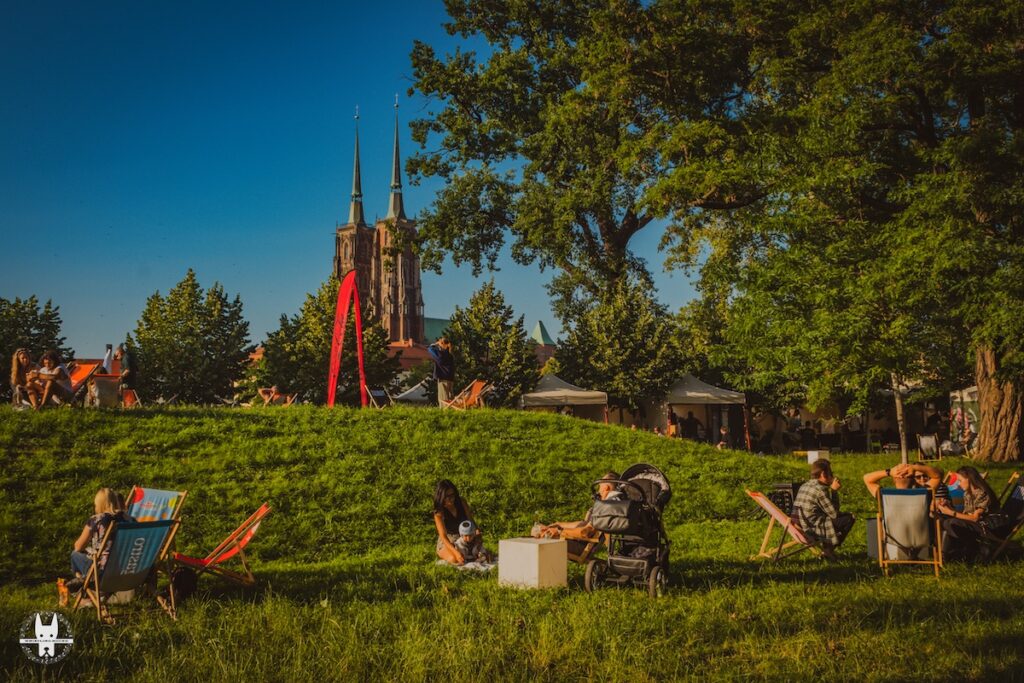
For calm, history, and a slower rhythm, head to Ostrów Tumski Wrocław, the oldest part of the city, established about 1000 AD. This is where the story of Wrocław city began, and one of the earliest Bishoprics in Poland was founded. Gothic cathedrals rise quietly above the Oder, iron bridges frame postcard views, and centuries-old gas lanterns still define the evening ritual.
As dusk settles, the island takes on a soft, cinematic glow. The lamplighter rushes between 103 lanterns to carry on with this unique practice. In recent years, the Ostrów Tumski Lamplighter has become one of the top attractions of Wrocław.
It is an ideal moment for reflection, or thoughtful photography, especially if you want to see Wrocław at its most intimate and contemplative.

Centennial Hall & Japanese Garden
Built in the early 20th century, Centennial Hall Wrocław stands as one of Wrocław’s most important architectural landmarks and holds the status of a UNESCO World Heritage Site in Poland. Its bold concrete structure, once revolutionary, is best appreciated in context, surrounded by open green spaces that invite you to slow down.
Just a short walk away, the Japanese Garden offers a complete shift in mood. Carefully designed paths, water features, and seasonal plantings create a quiet escape from the city’s energy. Among the best things to do in Wrocław, the Japanese Garden surroundings, along with the pergola and multimedia fountain, are particularly beautiful in spring and summer, when cherry blossoms and greenery flourish. During warm summer evenings, when the light softens, the crowds come out to enjoy the wonderful show, which continues until late autumn. It is one of the most restorative corners of Wrocław.
Panorama Racławicka & Bulwar Xawerego Dunikowskiego
The Panorama Racławicka is among the city’s most distinctive cultural experiences and among the top museums in Wrocław. This monumental circular painting immerses visitors in a pivotal moment of Polish history, the Battle of Racławice, fought on 4 April 1794 near the village of Racławice. It was one of the first battles of the Kościuszko Uprising against Russia.
The museum uses scale, perspective, and narrative to create a powerful visual impact of the famous battle, which is an unmissable part of every Wrocław travel guide. Located near several key institutions, the Panorama fits naturally into a wider cultural walk. Nearby Wrocław National Museum, city park, Odra riverside boulevard and some cool viewpoints add depth to this part of the city, making it ideal for travellers interested in Polish heritage and contemporary cultural life.
Cinema New Horizons and National Forum of Music
Wrocław’s cultural identity is not frozen in history. It continues to evolve through spaces like Cinema New Horizons Wrocław, internationally recognised for its film festival and year-round programme of independent and arthouse cinema. Cinema New Horizons dominates the city’s nightlife scene when tourists plan a city break in Wrocław.
For live performances, the National Forum of Music Wrocław (Wrocław Philharmonic) offer world-class acoustics and an ambitious concert calendar. Whether it’s cinema or classical music, these venues highlight why Wrocław is considered one of Poland’s strongest cultural cities. If you’re looking for a live concert, head over to the NFM website and check their list of programs.
Wrocław Main Railway Station, Nasyp & Renoma
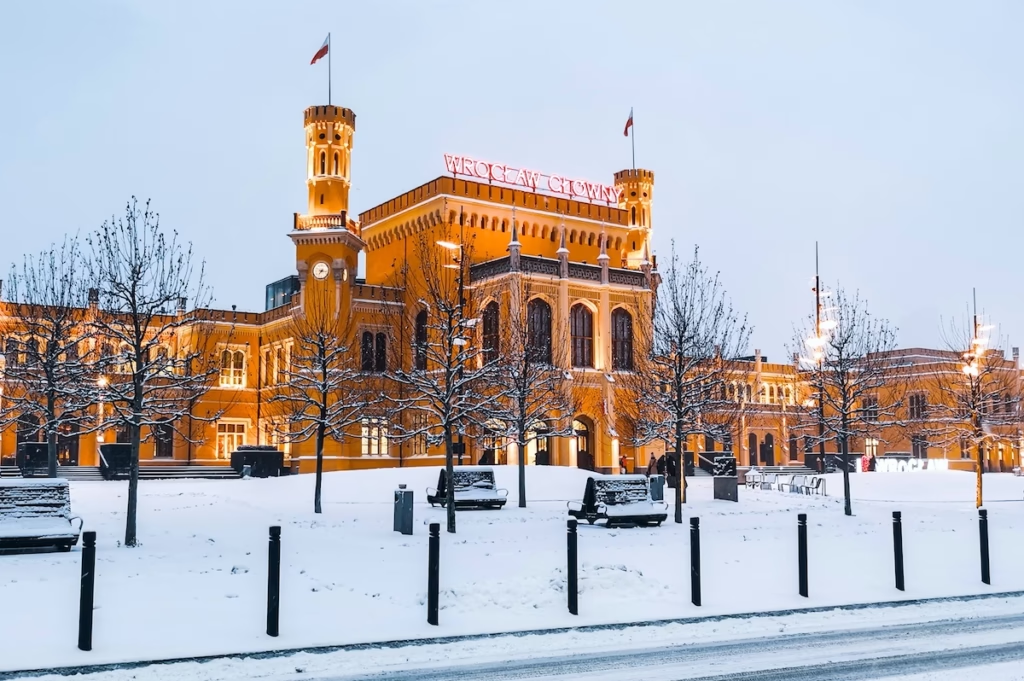
Wrocław’s Main Railway Station (Dworzec Główny) is often the first impression of the city, and it sets the tone better than most European stations. The neo-Gothic façade feels closer to a palace than a transport hub, while the interiors balance restored details with everyday city movement. Even if you’re not arriving by train, it’s worth stepping inside to understand how Wrocław connects past and present in one working space.
Just behind the station, Nasyp represents a very different layer of the city. What was once a forgotten stretch beneath railway tracks has been transformed into a lively strip of bars, cafés, and casual food spots. It’s not refined, and that’s what sets it apart. Nasyp thrives in the evenings, especially in warmer months, when locals gather here before heading further into the city or linger for drinks under the tracks. It shows how Wrocław reclaims its in-between spaces and turns them social.
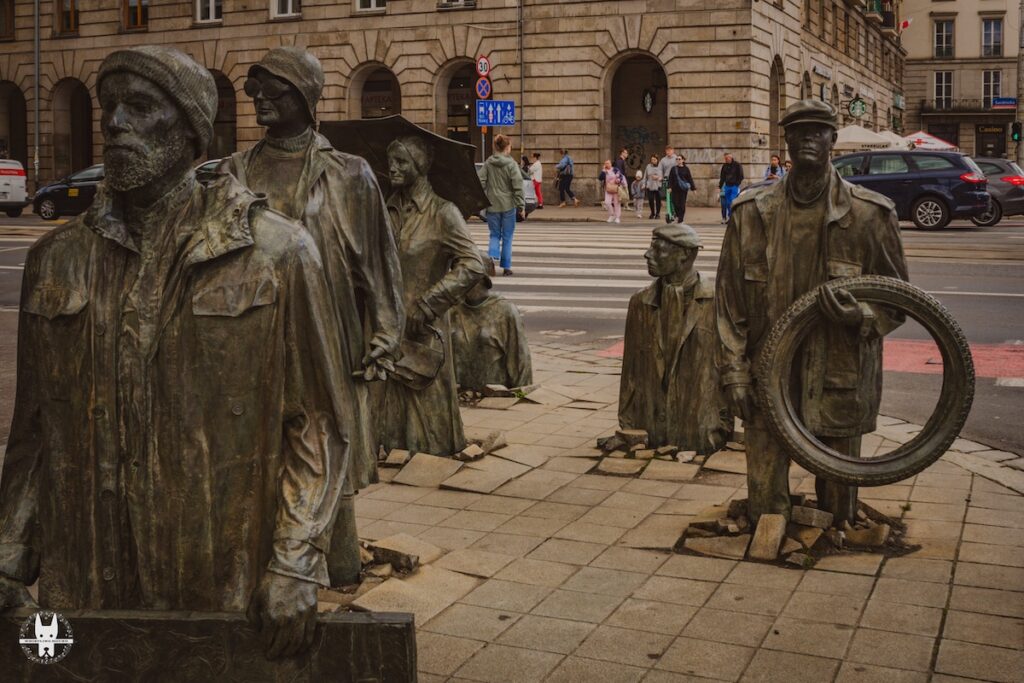
A short walk away, the Renoma shopping centre adds another dimension to the city centre area. Originally built as a modernist department store in the interwar period, it has been carefully redeveloped into a contemporary shopping and lifestyle complex. Architecturally, Renoma is worth a look even if shopping isn’t on your agenda. It reflects Wrocław’s confidence in adapting its 20th-century heritage for modern use, without erasing its identity.
Together, the station, Nasyp, and Renoma reveal a side of the best things to do in Wrocław that goes beyond postcard views. If you’re interested in how Wrocław actually works as a modern European city, this small triangle is far more telling than many headline attractions.
Contemporary Culture & River Life
Wrocław thrives along the Oder River. Wrocław’s summer nightlife is all about its modern riverfront promenades, open-air concerts, boat rides, beach bars, and floating decks, making it a dynamic urban landscape. Whether you walk, bike or relax at a café terrace by the water, it offers a different, youth-oriented side of the city.
Best Neighbourhoods to Stay in Wrocław
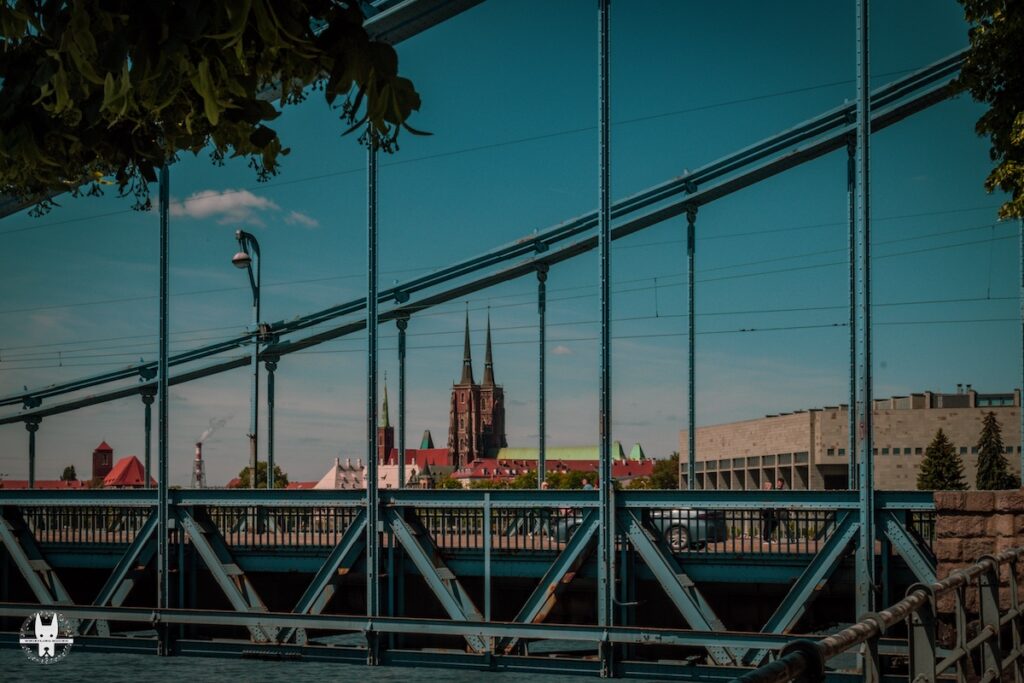
For the Wrocław travel guide 2026, choosing where to stay can shape your entire city break in Wrocław. Distances here are walkable, and public transport is super efficient. After years of moving through these areas alone, with travellers, families, couples, and solo visitors, these are the parts of the city that consistently work best, depending on how you want to experience Wrocław.
Old Town & Market Square (Wrocław Rynek)
If you’re in Wrocław for a short stay, staying near Wrocław Rynek puts almost every major landmark within walking distance. The Old Town is lively, visually striking, and packed with cafés, restaurants, and nightlife.
The trade-off is noise. Late evenings can be busy, especially in peak season. My advice is to choose accommodation that sits just off the main square or on one of the quieter side streets. You’ll still step straight into the heart of the city, without feeling like you’re sleeping inside a postcard.
Check out this 4-star experiential stay in Wrocław: Behind the Doors: What It Feels Like to Stay at Art Hotel Wrocław
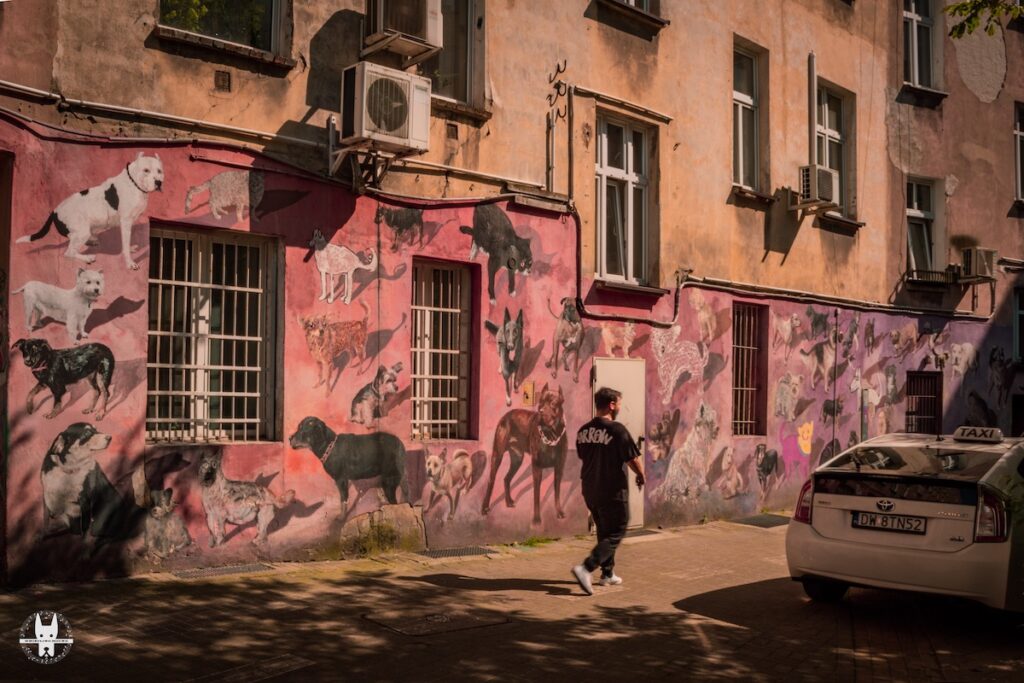
Nadodrze & Four Denominations District
For travellers who enjoy character over polish, Nadodrze and the nearby Four Denominations District offer a more creative vibe. This is where Wrocław feels younger and rougher around the edges, in a good way. Street art, independent cafés, galleries, murals, and budget-friendly apartments define the area.
It’s not postcard-pretty everywhere, and that’s exactly the appeal. You’re close enough to walk into the Old Town, but far enough to feel removed from tourist crowds. If you care about atmosphere, value, and discovering places you wouldn’t find in a standard Wrocław city guide, this area punches well above its weight.
Śródmieście & Plac Grunwaldzki Area
This part of Wrocław works best for longer stays, families, or travellers who want greenery and breathing space without sacrificing connectivity. City centre is still a 30-min walk though. Parks, river paths, and residential streets dominate the area, while trams and buses link it efficiently to the Old Town and main attractions.
It’s a quieter, more functional residential area. For repeat visitors or anyone planning a slower Wrocław travel guide–style stay, this one makes a lot of sense.
Ostrów Tumski Area
Staying near Ostrów Tumski suits travellers drawn to history, romance, and calm evenings. This is one of the most atmospheric parts of the city, especially after dark, when the bridges are empty, and the gas lanterns are lit. Dining and nightlife options are limited here, which makes sense because you trade convenience for mood. It’s ideal for couples, photographers, and anyone who values early mornings and reflective walks over late nights.
Near Main Station (Dworzec Główny)
Accommodation near Wrocław Główny is best for transit travellers, early departures, or those planning multiple-day trips. Train, tram, and bus connections are excellent, and you can still reach the Old Town on foot in around twenty minutes.
It’s practical rather than charming, and I rarely recommend it for first-time visitors unless logistics matter more than atmosphere. As a short-term base, however, it does its job efficiently.
Popular Hotels in Wrocław
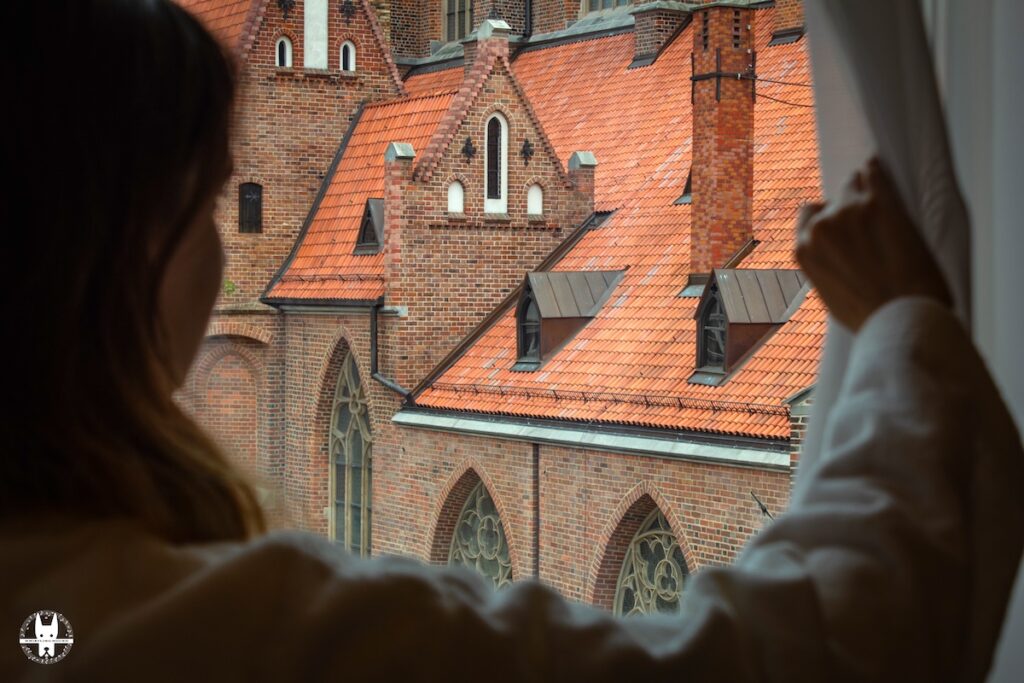
• Hotel Monopol – Historic luxury in the Old Town, known for its spa and rooftop pool.
• Art Hotel Wrocław – Boutique stay with character, steps from Wrocław Rynek.
• Wyndham Wrocław Old Town – Reliable upscale comfort with modern rooms and a central location.
Where to Eat & Drink in Wrocław (Local Favourites)
Food in Wrocław reflects the city itself. Rooted, unpretentious, and quietly evolving. You don’t need reservations at the best restaurants in Wrocław Rynek to eat well here. Some of the most satisfying meals come from small, home-style places that locals return to week after week, for example, Polski Jadło Hala Tagrowa or Bar Mis on Oławska street – essentials for the Wrocław travel guide 2026!
For authentic Polish food tasting, look beyond the main tourist streets. In neighbourhoods like Śródmieście or Nadodrze, you’ll find bistros serving the most delicious pierogis in Wrocław, wild mushroom soups, seasonal stews, and regional cheeses such as oscypek. Menus are often written in Polish and English.
Wrocław’s modern food scene has grown steadily over the past decade. Artisan coffee shops, vegan-friendly kitchens, and craft beer pubs are now part of everyday city life. They suit slower mornings, informal meetings, and relaxed evenings, especially if you want to experience Wrocław from a local’s perspective.
A small habit worth adopting is asking for the oferta dnia (the daily special). It’s usually more affordable, freshly prepared, and often the most regional dish on offer. This is one of the simplest ways to eat like a local in Wrocław.
When the weather allows, Wrocław beachbars along the Oder become natural gathering points. They work equally well for late lunches or sunset drinks after a long walk through the Old Town. If you’re an early morning person, the local markets inside Hala Targowa are worth a visit. Fresh produce, baked goods, and regional products make it easy to cook, picnic by the river, and dip into everyday Wrocław life.
Popular Restaurants in Wrocław City Centre
• Młoda Polska – Contemporary Polish cuisine with a modern, well-executed menu.
• Konspira – Solid Polish classics served with history-heavy interiors.
• Karczma Lwowska Wrocław – Hearty Eastern European comfort food in a traditional setting.
Seasonal Highlights: What to Plan for Wrocław Travel in 2026
Wrocław changes noticeably with the seasons, and timing your visit well can shape your entire experience.
Winter, from late November through January, centres around the Christmas market at Wrocław Rynek. The Old Town fills with lights, wooden stalls, mulled wine, and festive energy. It’s compact, atmospheric, and ideal for travellers who enjoy winter city breaks.
In spring, the city reawakens. Parks turn green, café terraces reopen, and walking becomes effortless again. Ostrów Tumski and the Japanese Garden are especially rewarding during cherry blossom season.
Summer brings long days, open-air concerts, festivals, river cruises, and a lively evening scene. It’s the best season for exploring things to do in Wrocław beyond the Old Town, with the river becoming a central stage for city life.
Autumn is quieter and often overlooked. Cooler air, golden parks, cosy cafés, and fewer visitors make September and October ideal for photography, slow sightseeing, and a more reflective pace. Something worth considering for the Wrocław travel guide 2026!
Wrocław with Kids: Family-Friendly Ideas
Wrocław works remarkably well for families. It’s walkable, green, and flexible enough to suit different ages. Over the years, I’ve guided families travelling with toddlers, teenagers, and grandparents together, and the city consistently adapts to all of them.
One of the simplest ways to explore is by turning the city into a game. The Wrocław dwarfs, scattered across the Old Town and surrounding streets, naturally keep children engaged. Top it all with hundred plus bridges, Aquapark, and plenty of fun and water rides, and you’ll never run short of ideas on things to do in Wrocław with kids.
When you need open space and a slower pace, places like the Wrocław Zoo, Centennial Hall grounds, and the Japanese Garden offer room to breathe. Families who prefer structure often opt for a private walking tour adapted to a child’s rhythm.
Evenings are easiest along the Oder River, where wide paths, calm surroundings, and casual food spots create a stress-free end to the day. In December, the Wrocław Christmas Market remains the city’s prime attraction.
Most Popular Activities in Wrocław with Kids

• Wrocław Zoo – One of Europe’s oldest and largest zoos, easy to combine with Centennial Hall and the Japanese Garden.
• Kolejkowo Model Railway Museum – Poland’s largest miniature world, playful and surprisingly detailed.
• Hydropolis Museum – An interactive science museum focused on water, perfect for curious minds.
• Lumina Park (winter season) – After-dark light installations set in park landscapes.
• Ice Skating at Hala Orbita – A classic local winter activity with family-friendly sessions.
• Aquapark Wrocław – Slides, pools, and thermal zones that work year-round for all ages.
Getting Around Wrocław: Transport, Practical Tips & Local Advice

Wrocław is an easy city to navigate once you understand its scale. Much of the historic centre is compact, flat, and built for walking, which makes it ideal for an adventurous weekend in Wrocław. Most key sights around Wrocław Rynek sit within a comfortable walking radius, and exploring on foot is often the most rewarding way to read the city.
For areas beyond the Old Town, public transport fills the gaps efficiently. Trams and buses run frequently, connecting neighbourhoods, museums, and residential districts seamlessly. If you plan to use public transport more than once or twice a day, a 24-hour or 48-hour travel card is usually more cost-effective than purchasing single tickets. Use the Jakdojade app to travel seamlessly using public transport in Wrocław (and Poland).
Reaching the city centre from Wrocław Airport is straightforward, even late at night. The bus stop sits right outside the terminal, and bus 106 runs directly to Plac Orląt Lwowskich in around 32 minutes, stopping near the Old Town and major transit points. The same bus also operates every 15 minutes, from the main railway station (Dworzec Główny), and costs 4.60 PLN (1 EUR), making it the most practical option for most travellers arriving on budget flights. For those seeking hassle-free travel and peace of mind, Uber and Bolt App work seamlessly at all hours and are reliable for both airport transfers and short hops within the city.
Money, Payments & Everyday Costs
Poland uses the złoty (PLN), and in Wrocław, cashless payments are the norm. Cards work almost everywhere, including cafés, museums, trams, bakeries, and neighbourhood bars. Apple Pay and Google Pay are widely accepted.
That said, I still advise carrying a small amount of cash. Markets, cloakrooms, and a few old-school places prefer it, and it saves small moments of inconvenience. For the best currency exchange rate in Wrocław, head over to Cent Kantor Exchange in Rynek.
Tipping isn’t obligatory, but rounding up or leaving around 10 per cent in sit-down restaurants in Wrocław is customary when the service feels attentive.
Language & Communication
Polish is the language you’ll hear on the streets, but English is not a barrier in Wrocław. In the museums, transport hubs, and hotels and restaurants in Wrocław, communication is straightforward, particularly with younger locals.
A simple dzień dobry (good morning) or dziękuję (thank you) is always appreciated, but no one expects visitors to speak Polish to function comfortably. The city is used to international travellers and handles them with ease.
Safety & Common Sense
Wrocław is a safe city, including in the evenings. Walking through the Wrocław Old Town at late-night hours or along the river after dark feels normal rather than cautious. Like any European city, basic awareness is enough. Keep an eye on your belongings in crowds, on trams, or during large events and peak-season weekends.
Best Time to Visit Wrocław
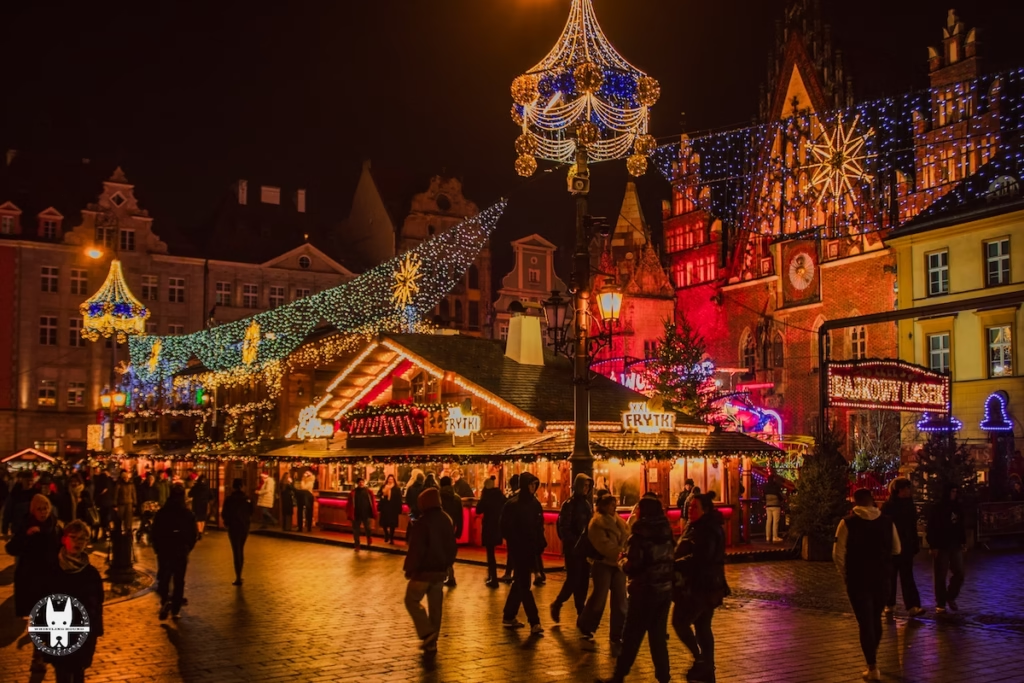
Each season brings a different version of the city. Winter is about atmosphere. The Christmas market, evening lights around the Old Town, and seasonal installations such as Lumina Park give the city a compact, festive feel. Spring and summer open Wrocław outward, with café terraces, riverside walks, festivals, and long daylight hours.
Autumn is quieter and more local. Fewer visitors, softer light, and a slower pace make it one of my favourite times to show the city to guests who want depth rather than buzz. There’s no single best moment to visit. It depends on whether you’re drawn to energy or breathing space.
1-Day, 2-Day & 3-Day Wrocław Itineraries (Travel-Ready Plans)
If you prefer to explore with context rather than guesswork, I also offer private Wrocław tours with tailored 1 to 3-day routes based on your pace, interests, and travel style.
[Book a private Wrocław tour] (link with utm_source)
1-Day Wrocław Itinerary: First-Time Highlights
Ideal if this is your first city break in Wrocław and time is limited.
Morning
- Market Square (Wrocław Rynek): Old Town Hall, Stare Jatki, cafés, and people-watching
- University of Wrocław area and Hala Targowa (Market Hall)
- A short Wrocław Dwarfs walk around the Old Town, keeping it playful rather than exhaustive
Afternoon
- Lunch at a neighbourhood bistro or pierogi spot in Nadodrze
- Ostrów Tumski (Cathedral Island) with a short riverside walk
- Panorama Racławicka or a quick museum visit if time allows
Evening
- Sunset along the Oder River
- Riverside terrace dinner or a relaxed craft beer pub
Why book the Wrocław guided tour with Whistling Hound:
You skip queues, hear the real stories quickly, walk streets most visitors miss, and get food recommendations that actually save time.
Book the 1-day Wrocław local highlights tour (instant confirmation).
2-Day Wrocław Itinerary: Take a Breath (Culture + Local Life)
This 2-day Wrocław itinerary works perfectly for a long weekend.
Day 1
- Old Town deep dive
- Market Square and surrounding streets
- Panorama Racławicka
- Evening concert, jazz bar, or cultural venue
Day 2
Morning
- Centennial Hall and Japanese Garden
Afternoon
- Hydropolis or Wrocław Zoo (both family-friendly)
- Late afternoon wandering in Nadodrze, focused on street art and cafés
Evening
- Optional add-on: sunset river cruise
- Or a light food walk with tastings
- Or dinner at Marina overlooking the University of Wrocław
Why book this Wrocław tour with Whistling Hound:
Better pacing for photography, café stops, and museums without rushing through the city.
Reserve the 2-day Wrocław weekend itinerary (fully customisable).
3-Day Wrocław + Day Trip: Depth with a Taste of Lower Silesia
Best for travellers who want to go beyond the obvious and see Wrocław in context.
Days 1–2
- As above: Old Town, neighbourhoods, culture, and river life
Day 3 (choose one):
- Książ Castle day trip from Wrocław (private, full day)
- Karpacz or Szklarska Poręba for mountain scenery and nature
- Bolesławiec for Polish pottery, including a workshop visit
Why book this private guided tour of Wrocław with Whistling Hound:
This is where trips scale into deeper, higher-value experiences. Day trips from Wrocław add contrast and meaning, not just distance.
Ask for a 3-day custom Wrocław tour plan, including hotel suggestions and transport time estimates.
Family-Friendly Wrocław Itinerary
A flexible 1–2 day plan for families includes:
- Wrocław Dwarfs scavenger walk
- Zoo or Hydropolis
- Slow riverside dinner
- Playgrounds and short storytelling stops instead of long museum visits
Family-friendly Wrocław tour option, calm, and well-paced. Ask for a custom Wrocław tour plan
If you like the idea of exploring Wrocław with a local who knows all shortcuts, stories and hidden corners, check out my signature walking tours: Old Town Storytelling Walk, Dwarfs & Fairy Tale Walk, Sunset Island Walk, and Local Food Tasting Tour in Wrocław. Each combines historical insight, local legends, and personal stories that make a visit memorable.
For families, couples or longer stays, I also offer customised tours. Contact me via the booking page to tailor a route to your interests and pace.
How to Make the Most of Wrocław: Final Thoughts
Use this Wrocław travel guide 2026 as your map, but leave room for spontaneity. Take detours. Talk to locals. Get lost. Attracted by the sound of church bells.
Whether this is your first visit or one of many, Wrocław will surprise you. And if you want a local companion to show you its soul rather than just the sights, I’ll be more than glad to walk with you.
See you in the city.
Written by Amit Chandra, Wrocław-based tour curator, storyteller, and founder of Whistling Hound. Actively guiding and curating private tours across Poland.