
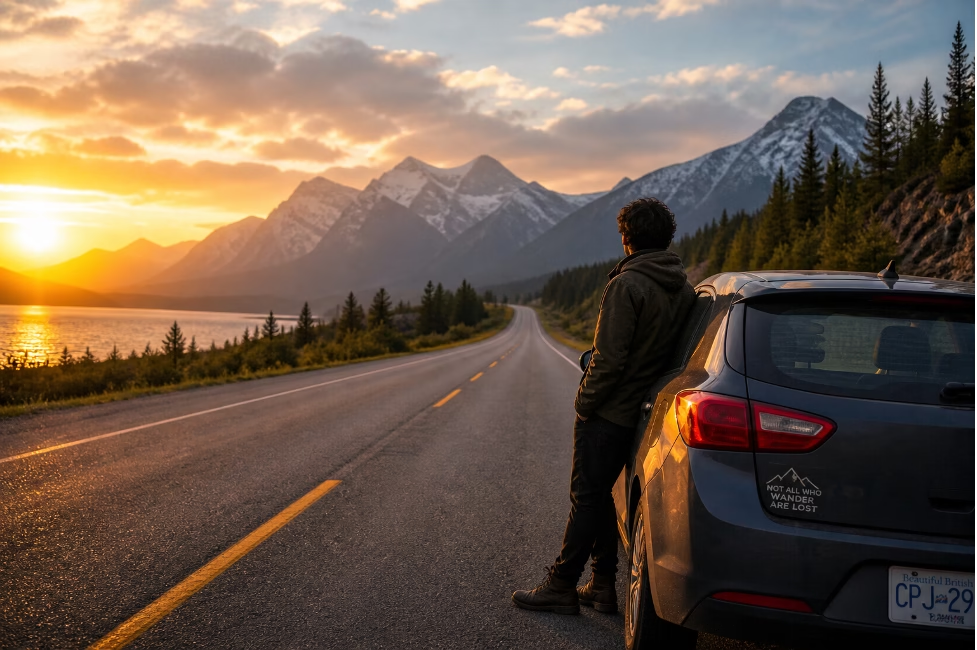
Hitting the road solo can feel like the ultimate escape. You control the speed, pick the tunes, and carve out your own adventure. According to Statista, road trips have long been a symbol of adventure and exploration, firmly rooted in American culture. In 2024, more than 30 per cent of people embarked on these journeys, ranking it as the third most favoured vacation option.
When you’re travelling solo, you are your own safety net. Even the smallest missteps can escalate into serious safety concerns. It’s all too easy to get swept up in the thrill and forget about basic precautions that seem second nature. Learning about common mistakes that solo travellers make can keep you safer and ensure that your trip is smooth and memorable.
This article discusses the small blunders that can turn your solo road trip into a more stressful experience than it should be.
1. Not Researching Your Route and Weather
It might feel harmless to skip checking your route and the weather. However, this can lead to some serious problems. If you don’t look over your route ahead of time, you could end up driving on damaged roads. Moreover, you can travel through unsafe neighbourhoods or in areas where gas stations and services are scarce.
AFAR states road trips have a way of awakening the adventurer in all of us. The good news is that planning these trips has become a lot easier. With the help of travel apps, there are now several ways to make the most of your next long drive. However, apps may not always be reliable. Without a solid understanding of where you’re going, you risk being in a position where you’re just reacting instead of taking charge.
The weather is a big deal when it comes to driving. If you don’t check the forecasts, you might find yourself caught in heavy rain, snow, fog, or intense heat, all of which can make it tough to see and drive safely. Just a few minutes spent planning your route and checking the weather can save you from surprises and make your journey safer and a lot more enjoyable.
2. Neglecting Vehicle Maintenance
You might feel confident that your car is ready for a long drive, especially if it’s been performing well in your everyday routine. According to CivicScience, it turns out that nearly 60 per cent of vehicle owners stick to a regular maintenance schedule. However, many are willing to push back things like oil changes as they start budgeting for other expenses.
Neglecting basic vehicle checks before embarking on a solo road trip can put you in a precarious situation. Small issues like low tyre pressure, worn-out brakes, or old engine oil can become major headaches when you’re far from assistance. A breakdown can leave you stranded in a place that feels unfamiliar or unsafe.
Spending just a bit of time inspecting your vehicle can have a significant impact. Be sure to check your tyres, fluid levels, battery, and lights before heading out. A quick service gives you peace of mind and helps ensure your trip is smooth, safe, and free from any unwelcome surprises.
3. Overlooking Rash Drivers
When on a solo road trip, you may get caught up in your own driving and forget that not everyone else on the road is as careful. Reckless drivers, who switch lanes without warning or ignore traffic laws, can unexpectedly put you in perilous situations. When you’re not paying close attention, you might not have enough time to react, especially on busy highways or city roads.
If you find yourself in an accident due to someone else’s carelessness, it’s crucial to know your options. A car crash lawyer can guide you through understanding your rights and navigating insurance claims. They ensure you get the compensation you deserve for any damages or injuries.
According to TorHoerman Law, having the right legal support can ease your stress and allow you to concentrate on healing while they handle the complex details. You must also steer clear of confrontations with aggressive drivers and resist the urge to match their speed or behaviour.
4. Not Taking Regular Breaks
While driving for long hours without breaks may enable you to reach your destination more quickly, it can harm your focus. Fatigue accumulates gradually, and you might not even realise how exhausted you are until it starts to affect your driving. Extended drives can turn dicey if your reflexes are dull, especially when you’re the sole person responsible for your well-being on the road.
The European Commission advises that you should take a minimum 45-minute break after four and a half hours of driving. You may divide it into two 15-minute rests and a 30-minute break. Plan your route accordingly, and ensure that there are enough rest stops you can use.
You can stop every few hours to stretch, drink water, or grab a quick bite. Even a small pause can help reset your focus and make your driving safer. It’s a simple practice that enhances your comfort during the trip and greatly reduces the risk of accidents caused by fatigue.
Hitting the road alone, whether you are exploring the routes around Wrocław, Poland or beyond, is an adventure that calls for mindfulness and responsibility. Your trip will be stress-free and wonderful if you strike the correct balance between enthusiasm and caution. Keep in mind that being proactive and aware doesn’t take away from the fun. It makes every mile safer and lets you truly savour the joy of solo travel.
Editorial note: Published in collaboration with our partner Tor Hoerman Law.
FAQs
1. How to stay safe on a solo road trip?
As you prepare for your trip, plan your route, give your vehicle a thorough check, and stay mindful of your surroundings. You must keep your emergency contacts available and take breaks as necessary. Most importantly, trust your instincts and steer clear of any risky situations while driving.
2. What are the rules of defensive driving?
You never know what might occur on the road, so stay alert and focused. You must keep a safe distance from the vehicle ahead of you. Keep an eye on other drivers and be prepared to respond quickly. Even if it takes a little longer to reach your destination, maintain your composure and always prioritise safety.
3. How to plan a road trip itinerary?
You can begin your trip by choosing where you want to go and mapping out your route. Check the distances, driving times, and road conditions. Consider making bookings in advance if you need a place to stay. Also, keeping a bit of flexibility in your plans can help you enjoy the journey without feeling rushed.