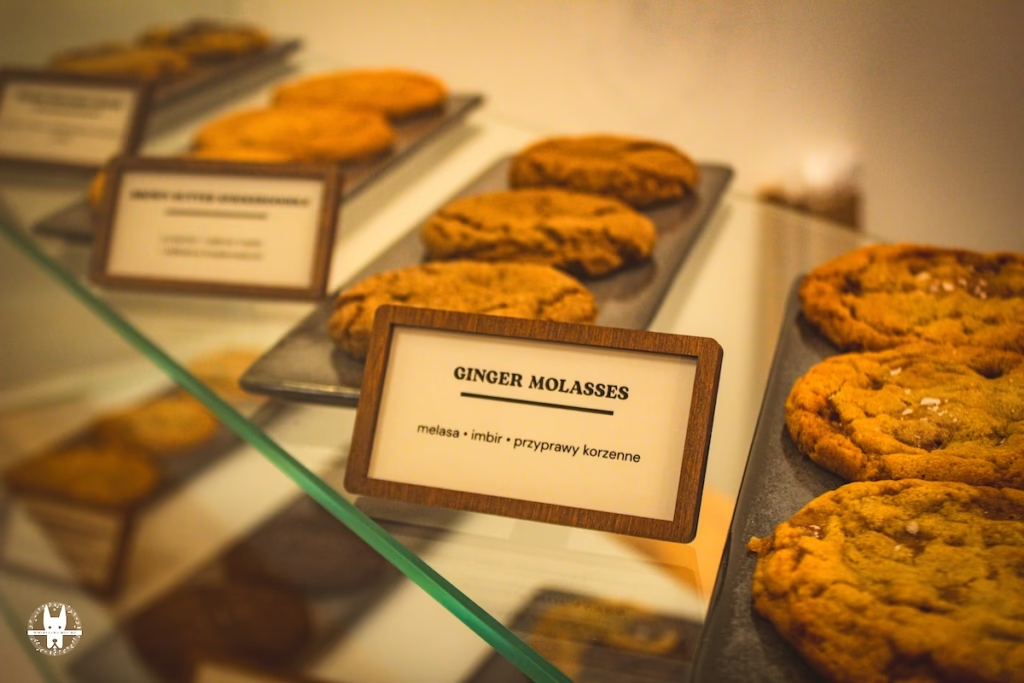
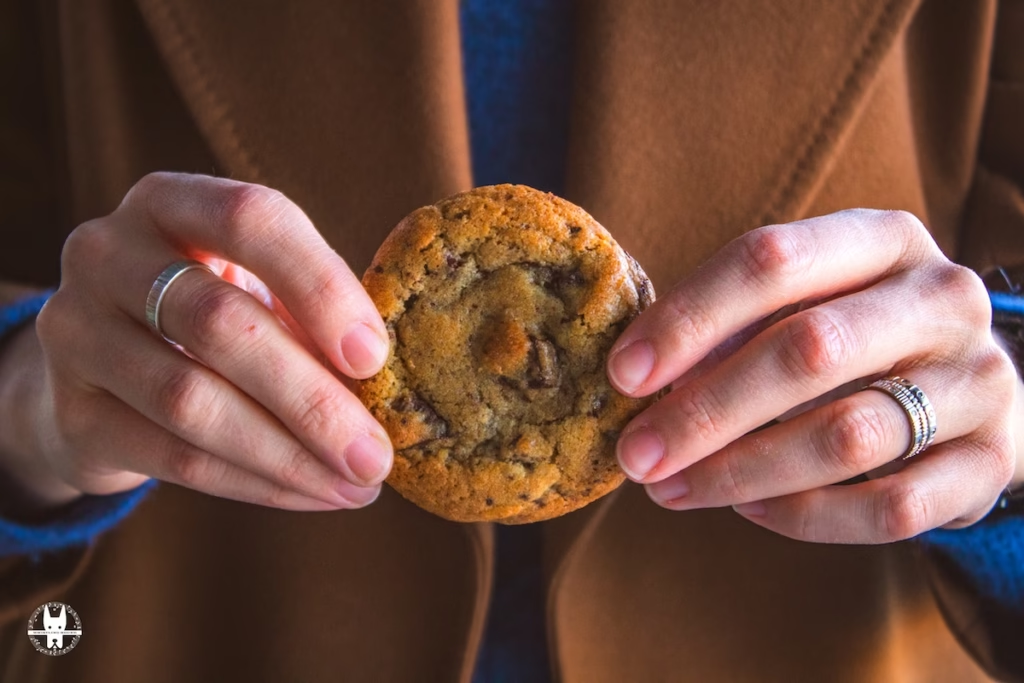
Polish bakeries are a joy to walk into, but for lovers of American cookies, the counters rarely feature the large, soft rounds many Americans grew up eating.
Here, the glass counters are usually filled with layered pies, cheesecakes, pastries, and jam-filled biscuits sold by weight. Cookies rarely dominate the main display. A few days ago, I was speaking with American expats living in Wrocław. Over tea and pie at Odra Centrum café, our conversation drifted towards cookies. Not the regular biscuits common in European bakeries, but classic American cookies.
Listening to them describe the texture, size, and habit of eating them warm with a glass of milk revealed a style of baking that rarely appears in Polish dessert culture. In the United States, cookies became one of the most common forms of home baking and neighbourhood bakery desserts during the twentieth century.
As a food tour curator in Poland with a sweet tooth, this immediately caught my attention. I wanted to delve deeper into what a classic American cookie is like, how it differs from European biscuits, and why chocolate chip cookies became the defining example of this style of baking.
It got me thinking whether it was even possible to find a classic American cookie in Poland.
Suggested read: Best Places in Wrocław for Everyone to Work & Chill
Where American Cookies Come From
The word cookie entered American English through the Dutch word koekje, meaning “small cake.” Dutch settlers brought the term to New Netherland in the seventeenth century, the colony that later became New York. Early references to cookies in North America describe small portions of sweet dough baked separately to test oven temperature before placing larger cakes inside. The small pieces baked quickly and gradually developed into their own category of household baking.
By the nineteenth century, American cookbooks began listing cookies as a distinct group of recipes. Amelia Simmons’ American Cookery (1796) was the first known cookbook written by an American author. It includes simple cookie preparations made with butter, sugar, and flour. These early versions were smaller and firmer than what most bakeries sell today, but they established the base ingredients still used in traditional American cookies.
The form familiar today developed during the twentieth century as home baking expanded across the United States. Recipe leaflets from flour and chocolate manufacturers circulated widely, standardising cookie dough formulas built on creamed butter and sugar.
From the 1930s onward, they became one of the most common forms of everyday baking in the United States. School lunchboxes, public gatherings, neighbourhood kitchens, and bake sales regularly included trays of classic American cookies, helping cement them as a staple of American dessert culture.
Among classic American cookies, one variety became dominant: the chocolate chip cookie. First baked in Massachusetts in the late 1930s, it spread through American homes and bakeries within a few decades and remains the reference point for how traditional American cookies invoke nostalgia. It’s about look, feel, and taste.
Even in top Wrocław cafés experimenting with international desserts, the classic American cookie remains distinctive in texture and flavour.
How American Cookies Differ From European Biscuits
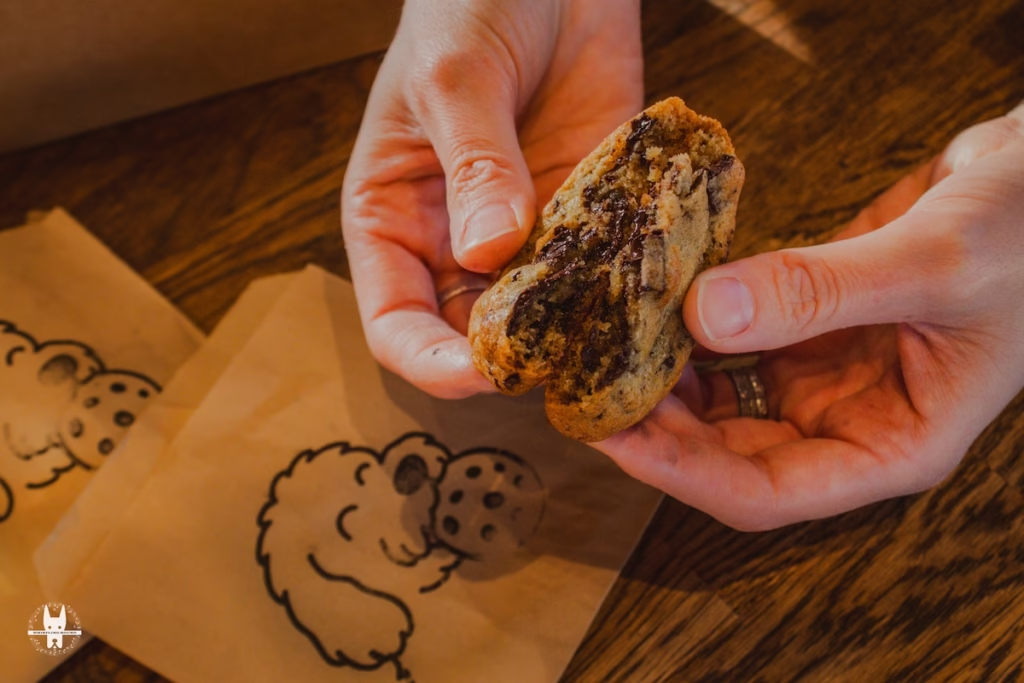
The key difference between American cookies and European biscuits is the dough. American cookie dough usually contains a generous amount of butter along with both white and brown sugar. Brown sugar holds moisture in the dough and helps create the soft interior that makes the difference. Eggs bind the dough, giving the cookie a thicker texture.
European biscuits developed through a different baking tradition. Many recipes rely on firmer doughs that use less butter and little or no brown sugar. The dough is often rolled, cut into shapes, and baked until crisp throughout. It’s designed to keep its shape and stay firm after cooling.
American cookie dough is usually scooped directly onto a baking tray. As the butter melts and the sugars dissolve, the dough spreads outward before setting. This produces the familiar round cookie with lightly crisp edges and a soft centre, the texture most people associate with classic American cookies.
Size also separates the two traditions. Many bakeries in the United States sell cookies that measure eight to ten centimetres across, or even larger. The thick centre remains soft while the edges develop a light crust during baking. This contrast between crisp edges and a soft interior defines the texture associated with classic American cookies.
European biscuits are usually smaller and thinner. They are intended to be eaten at room temperature and stored for longer periods. American cookies, by contrast, are often baked for immediate consumption. Their texture changes noticeably upon cooling, which is why many bakeries serve them shortly after baking.
Why American Cookies Are Usually Eaten Warm
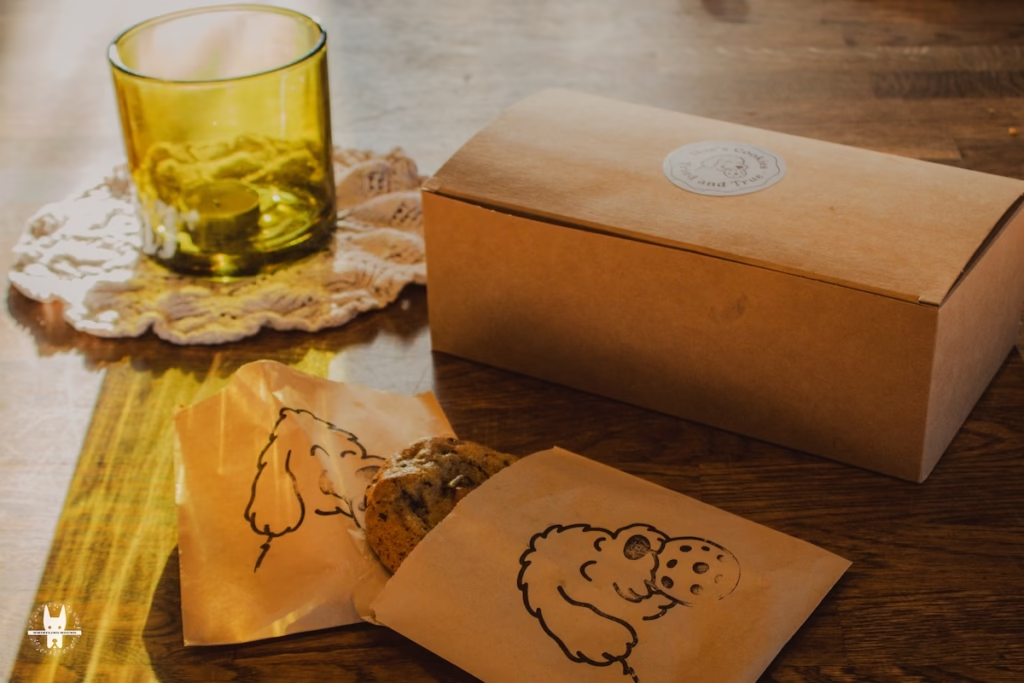
Serving warm cookies developed through practical bakery routines. Cookie dough can be mixed in large batches and portioned throughout the day. Each tray bakes quickly, usually between ten and fourteen minutes, depending on size. This allows bakeries to prepare fresh trays at regular intervals rather than baking an entire day’s supply at once.
Temperature affects both texture and flavour. When cookies come out of the oven, the butter inside the dough remains soft, and the sugars have not yet fully set. The centre stays tender while the outer edge holds its shape. As the cookie cools, the structure firms up and the interior becomes slightly denser.
Chocolate plays an important role in this serving style. In chocolate chip cookies, the chocolate pieces soften during baking and remain partially melted while the cookie is still warm. The chocolate firms again once the cookie cools. Because of this, bakeries that specialise in traditional American cookies often serve them within a short time after baking.
The warm serving habit also fits the way cookies are produced in bakeries. Dough can be prepared in advance and stored under refrigeration. Cookies are baked in small batches during the day, so the trays are replenished regularly. Customers arriving at different times often encounter cookies that have been baked recently.
This approach shaped expectations around classic American cookies. In many American bakeries, the smell of fresh trays leaving the oven signals that a new batch is ready. The cookies are placed directly on display racks while still warm, and they are usually eaten soon after purchase.
Why Chocolate Chip Cookies Became America’s Signature Cookie
Among the classics, the chocolate chip cookie became the one most closely associated with the country’s baking culture. Its origin is usually traced to the late 1930s at the Toll House Inn in Massachusetts, where Ruth Wakefield added chopped pieces of Nestlé chocolate to a butter cookie dough. Instead of melting completely, the chocolate softened and held its shape, creating a new texture that quickly gained attention.
The recipe spread rapidly after Nestlé printed it on the back of its chocolate bar packaging. Home kitchens across the United States began baking chocolate chip cookies using the same basic formula of butter, sugar, eggs, flour, and chocolate pieces. Their simplicity and reliable flavour helped turn them into the defining example of traditional American cookies, and the reference point most people imagine when they think about American cookie baking.
Classic American Cookies Found in American Bakeries
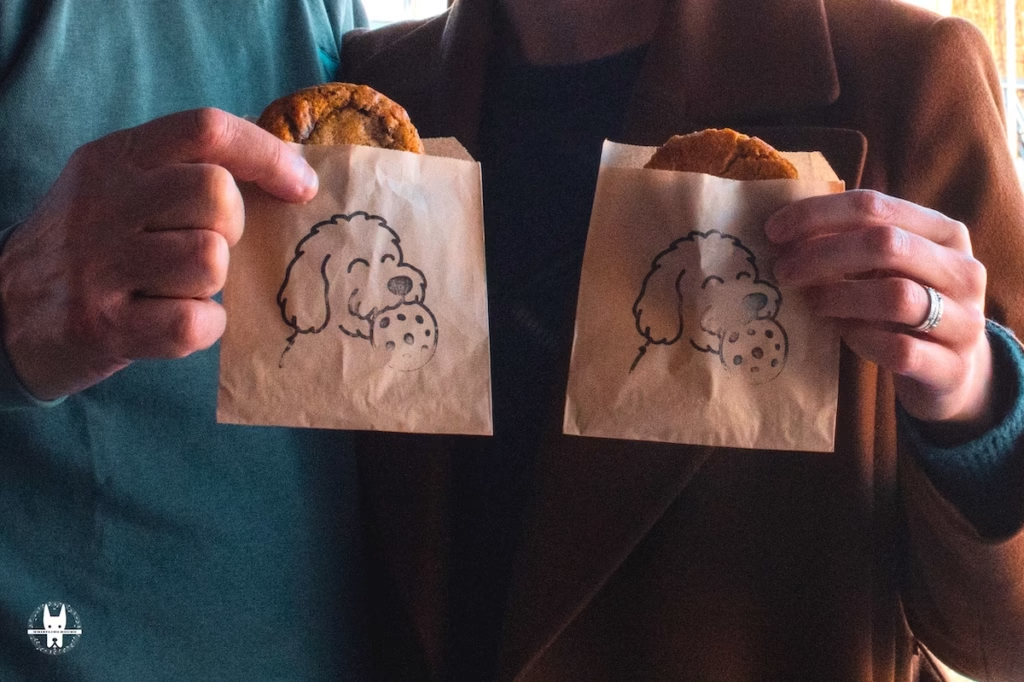
While chocolate chip cookies remain the most recognisable example, American bakeries usually offer several other varieties built on the same butter-based dough. Many of these recipes became widely known through twentieth-century home baking and community cookbooks.
Oatmeal raisin cookies are one of the most common alternatives. The addition of oats creates a thicker texture and a slightly nutty flavour, while raisins add sweetness and chewiness. Peanut butter cookies form another familiar category, typically recognised by the cross-hatched fork pattern pressed into the dough before baking.
Snickerdoodles appear frequently in American bakeries as well. These cookies are rolled in cinnamon sugar before baking, producing a lightly crisp surface with a soft centre. Although the ingredients vary, most classic American cookies follow the same baking logic: butter-rich dough, generous portions, and a balance between crisp edges and a tender middle.
Until recently, this style of baking was rarely visible in Polish bakeries. That has started to change.
American Cookies in Wrocław

For a long time, this style of baking was rarely visible in Polish bakeries. That is why large ones baked in thick rounds are a relatively new sight. In recent years, however, a few cafés and small bakeries in Wrocław have begun introducing classic American cookies alongside traditional desserts. The appeal is easy to understand for a city known for its food diversity and multicultural environment.
For visitors and locals curious about American baking traditions, this is a fascinating transition. The familiar Polish pastry culture still dominates most bakeries in Wrocław, but the presence of American cookies adds another small layer to the city’s evolving café scene. For people exploring independent cafés around Wrocław, spotting trays of freshly baked American cookies offers a glimpse of a dessert tradition that until recently rarely appeared in Poland.
Where to Try American Cookies in Wrocław
Visitors curious to try classic American cookies in Wrocław can find Mae’s Cookies near Renoma.
Address: Kosciuszki 20/1B
American cookies are slowly finding a place in cafés and small dessert shops in cities like Wrocław. For anyone curious about the tradition behind classic American cookies, tasting one fresh from the oven remains the best introduction.
Editorial note: This article is part of a storytelling collaboration with Mae’s Cookies in Wrocław. The editorial direction, research, and writing remain independent.
Further read: Best Restaurants in Wrocław: Where to Eat, Drink, and Dine Like a Local
FAQs
1. What makes an American cookie different from a biscuit?
American cookies and European biscuits differ mainly in ingredients and texture. American cookies usually contain more butter and both white and brown sugar, which creates a soft interior and slightly crisp edges. Biscuits in Europe are typically made with firmer dough, rolled and cut into shapes, and baked until crisp throughout. American cookies are thicker and often served warm.
2. Why are American cookies soft in the middle?
American cookies stay soft in the centre because the dough contains a higher proportion of butter and brown sugar. Brown sugar holds moisture during baking, which keeps the middle tender even after the cookie sets.
3. Who invented the chocolate chip cookie?
The chocolate chip cookie is usually credited to Ruth Wakefield, who ran the Toll House Inn in Massachusetts during the late 1930s. She added chopped Nestlé chocolate pieces to a butter cookie dough, expecting them to melt completely. Instead, the chocolate softened but held its shape, creating the cookie that later became one of the most recognised American desserts.
4. Are American cookies always served warm?
Not always, but many bakeries prefer serving American cookies warm because the texture is at its best shortly after baking. The edges remain lightly crisp while the centre stays soft. In cookies that contain chocolate pieces, the chocolate is still slightly melted when the cookie is warm, which is why fresh trays often appear throughout the day in bakeries.