Don’t move to Wrocław.
Because once you do, you’ll never quite fall for another European city in the same way. Living in Wrocław teaches you quickly what actually matters in a city.
Over the years, I’ve watched this city change slowly, almost stubbornly. When Wrocław was named UNESCO Capital of Culture in 2016, it took the moment as a stepping stone for something big. It was time for the Silesian capital to go global. Intense years of cultural, literary, and musical events followed, reshaping how the city saw itself. Locals still talk about the summer that year as one of the most exciting moments in this city’s post-war history. Nearly a decade later, Wrocław has positioned itself as a top livable city in Poland, successfully converting visitors into lifelong fans (including me).
So, what works so well here that it lures visitors into becoming residents? Wrocław, Poland, sits in the west of the country. The Lower Silesian Capital rarely seems desperate to impress outsiders. Perhaps with one exception, the Christmas Market, which the city insists on doing properly. Otherwise, it simply keeps improving the basics. A true hidden gem of Poland
One visit here and expectations shift quietly, often enough to make even frequent travellers rethink what they value in a city. It quietly resets the standard of food, beauty, safety, and what a good life in Europe should realistically cost. Wrocław doesn’t sell you a lifestyle. It offers a haven where a lifestyle can quietly take shape.
Must read: Wrocław Travel Guide 2026 – A Local Handbook for First-Time and Repeat Visitors
Why everyone is suddenly paying attention to Wrocław
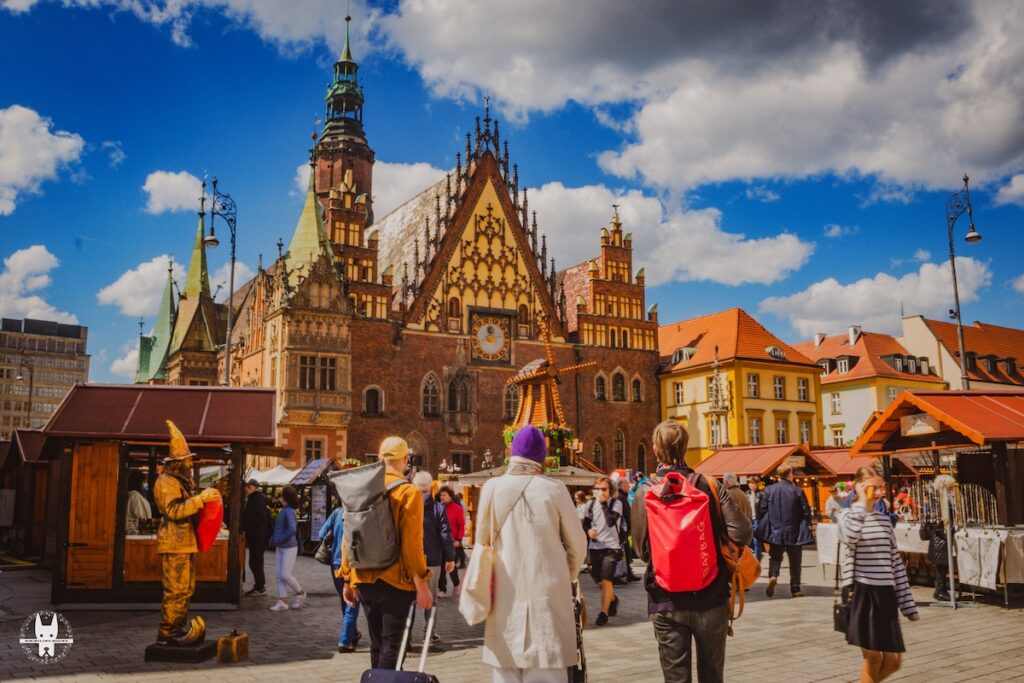
For a long time, Wrocław escaped the kind of attention that tends to ruin good cities. It wasn’t ignored, exactly. It was simply overlooked in favour of louder, more obvious names on the European map. Eventually, the Western media labelled Wrocław as the most underrated destination in Europe.
That changed recently, and in a fairly understated way. When the MICHELIN Guide’s Best Places to Travel in 2026 for Food Lovers featured Wrocław as a Central European food destination, it wasn’t much of a surprise. Instead, it confirmed what people spending time here had already noticed: something solid had been taking shape for years. It underlines Wrocław’s position as a serious food city in Europe.
A city that feels safe, orderly, and quietly well-run
Safety and cleanliness are not selling points in Wrocław; they are built into daily life.
While Poland ranks among the safest countries in the world for women, Wrocław consistently ranks among Poland’s safest cities. That reality shows up in small, unremarkable ways: people walking home late, families using public transport comfortably, public spaces that feel maintained. One ride on public transport costs less than a Euro, while city bikes are free of charge for the first 30 minutes.
Clean streets, efficient transport, and functional public infrastructure of Wrocław create a sense of order. Even the smallest of city parks doesn’t feel neglected. For many visitors and expats, this becomes a highlight of living in Wrocław.
You eat and drink on an island in the city centre
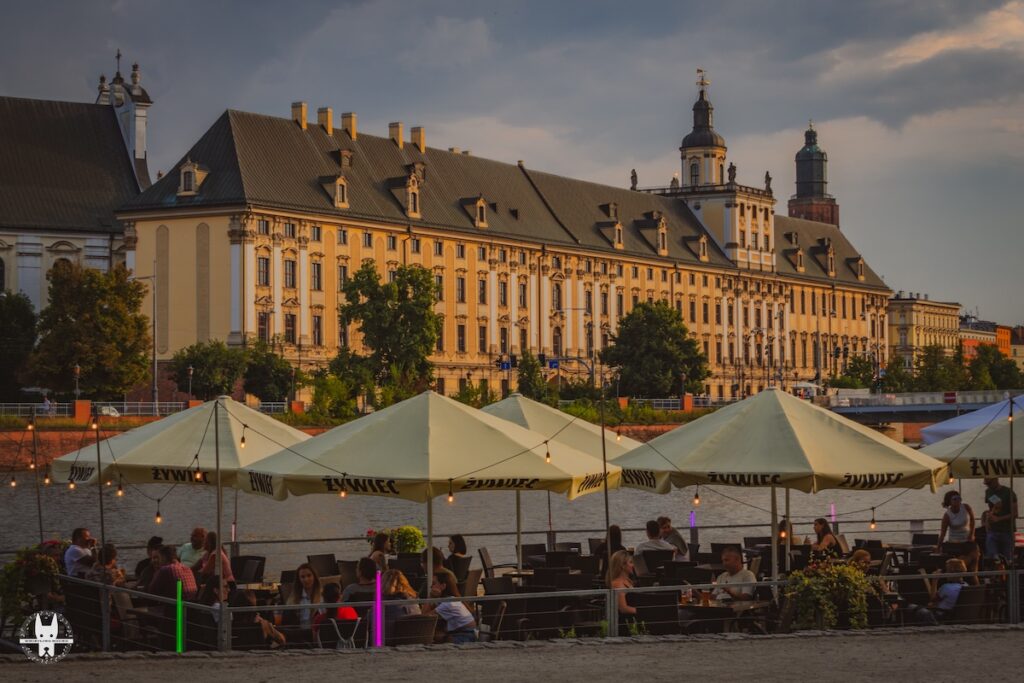
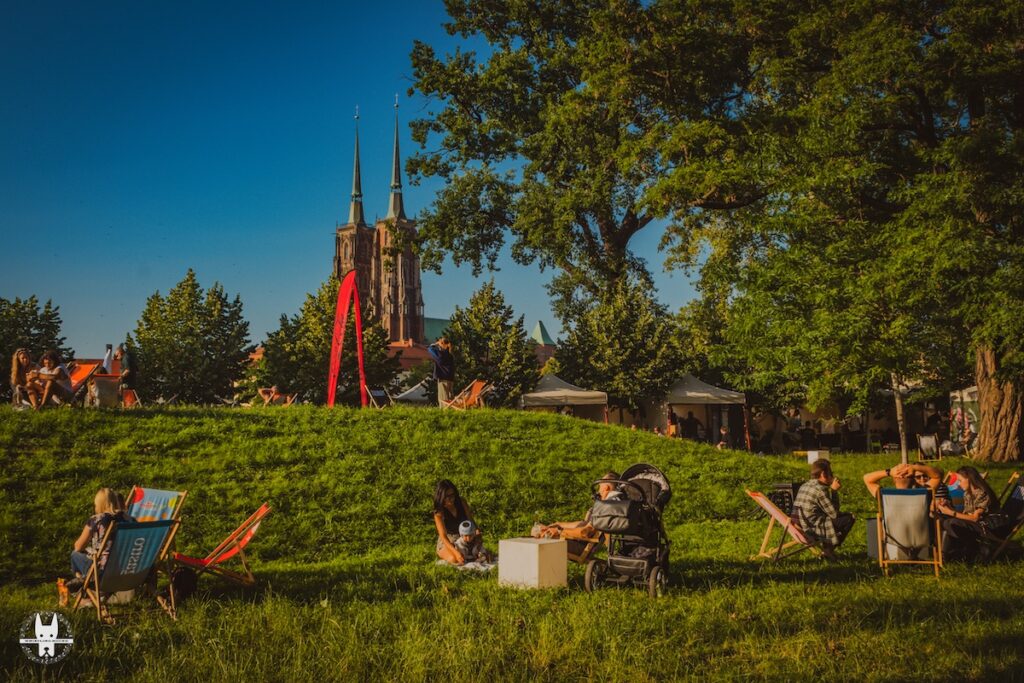
Islands like Wrocław, sitting in the middle of a city, are usually packaged for postcards. Fenced paths, souvenir kiosks, and a few carefully positioned benches. Wrocław took a different approach and largely spared it for the residents (students’ island), summer barbecue, evening walks, and floating bars.
Słodowa Island, along with Młynska and Bielarska Islands, sits a short walk from the Old Town Wrocław, detached, and making a perfect escape for walks. On warm days, people drift over without much of a plan. Students with bottles of beer, families with takeaway boxes, groups of friends spreading blankets on the grass. Food trucks line the edges, and music drifts from somewhere indistinct.
Eating and drinking here is part of the city’s social life, and this is normal when living in Wrocław. You don’t need a reservation, an occasion, or a reason to stay longer than intended. You arrive casually, lose track of time, and leave wondering why this isn’t ordinary everywhere. In summer especially, this island explains the city better than any Wrocław guidebook ever could.
Practical info: In July 2018, the Słodowa Island was designated as one of five locations in Wrocław where alcohol consumption is allowed in public. It’s the only such place in the city centre.
Polish food tastes better at local eateries
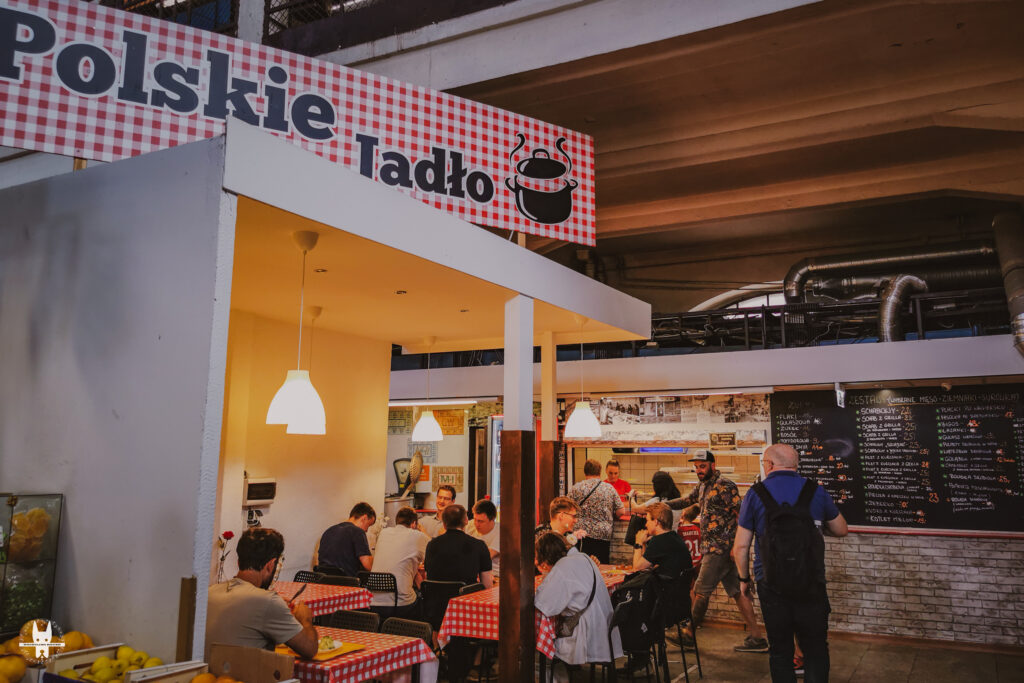
There is a particular kind of disappointment that comes from ordering a traditional dish abroad and realising it has been stripped of comfort and custom-made for effect.
After living in Wrocław and eating Polish dishes at local bars, I realised they don’t need rescuing or rebranding. Soups remain hearty, dumplings unapologetically filling, and sauces rich and flavorful. What changes is the care behind each decision.
Many top restaurants in Wrocław work quietly with regionally sourced fresh Lower Silesian produce, thriving on regional habits that never really disappeared. Seasonal vegetables, freshwater fish, game, ferments are everyday ingredients. The cooking feels thoughtful without becoming self-conscious.
You notice it most when expectations are low. A casual lunch in the city turns out better than planned. Polish food in Wrocław doesn’t ask for attention. It earns it by getting the fundamentals right.
Suggested read: Best Restaurants in Wrocław: Where to Eat, Drink, and Dine Like a Local
Fine dining in Wrocław still feels reasonable
At first glance, Wrocław strikes as an informal, student-heavy, fond of beer halls and milk bars, and generally suspicious of anything that appears to be trying too hard. The city does have tasting menus, linen tablecloths and chefs who talk about provenance. What it largely avoids is the sense of ceremony that often inflates prices faster than ambition. Fine dining here tends to grow out of solid, everyday cooking rather than standing apart from it.
Part of this is economic reality. Caught in the web of communism for the longest time, Poland’s dining culture matured without the long, uninterrupted luxury cycles seen in Western Europe. Restaurants had to earn repeat local customers, not just visiting gourmands. As a result, even the most refined Wrocław restaurants still anchor themselves in recognisable flavours: duck, forest mushrooms, freshwater fish, fermented dairy, and seasonal vegetables pulled straight from Lower Silesian soil.
There are places where you can sit through a multi-course menu and still recognise the logic of the meal. Portions are thoughtful. Wine tasting options in Wrocław lean towards Central European before reaching for Bordeaux, and service is professional.
Michelin Guide’s arrival in Poland formalised what locals already knew, but it did not radically change the dining room dynamic. Prices rose (also because of the Ukraine-Russia war), expectations sharpened, yet the atmosphere remained intact. These are restaurants people return to. What makes Wrocław’s fine dining feel reasonable is not just the bill at the end, but the absence of pressure throughout the experience.
Must read: Wrocław Joins the MICHELIN Guide Poland 2025: 22 Restaurants That Made the Cut
A city that looks expensive but isn’t
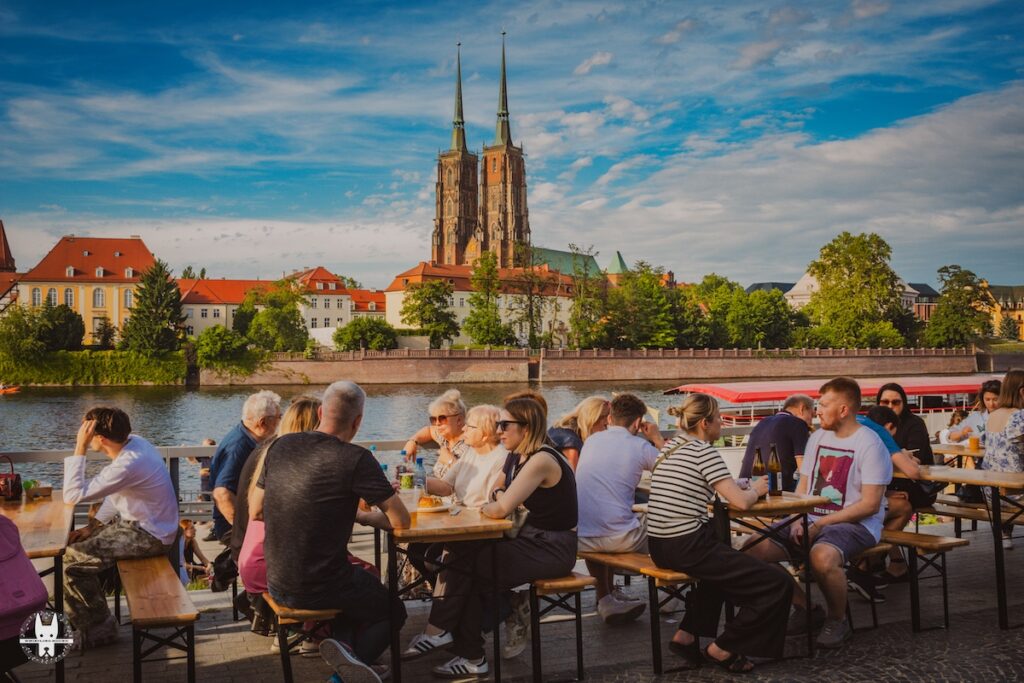
We all know the feeling. You book a European city break expecting charm and character, only to discover that every pretty square comes with eye-watering prices. A coffee costs as much as lunch, while a simple dinner feels like a financial decision.
Wrocław looks like it’s heading in the same direction. Grand townhouses, river islands, church spires, neatly restored façades. The kind of place where you brace yourself before opening a menu.
And then you don’t have to.
In Old Town Wrocław, everything sits within walking distance. It’s one of those beautiful cities in Poland where elegance feels effortless and eating out doesn’t feel like a trap. Public transport is reliable, cheap, and largely used by locals. Here, you spend less time budgeting and more time wandering. After living in Wrocław, it still feels like a place rather than a product.
If you’re looking for an affordable European city that still feels elegant and lived-in, Wrocław quietly gets it right. You may not brag about prices on Instagram. You’ll just enjoy the city more.
Nature, geography, and access quietly do the work
Living in Wrocław, nature never feels like an escape you have to plan. The Sudetes Mountains and Lower Silesia seamlessly blend to offer tourists mountains, spa towns, forest trails, vineyards, and castles. Making them realistic weekend decisions, not logistical projects. You leave early morning, and you’re back before the city misses you.
Geography helps in other ways, too. Berlin and Prague are both about a 3.5-hour drive, close enough to feel connected, far enough to stay distinct. The Wrocław airport is efficient, accessible, and connected, without the exhaustion that usually comes with big-city travel.
For anyone who stays longer than planned, this becomes obvious quickly. You don’t organise your life around access. It simply shows up and keeps things easy.
Why expats, creatives, and investors notice it early
There’s a pattern to how European cities change to livable ones, and Wrocław is still in the earlier phase of it. Foreigners move to Wrocław for liveability, and the rest follows.
For expats, living in Wrocław makes sense in practical ways first. Rents in Wrocław hover around 475 EUR for a one-bedroom apartment to 850 EUR for a two-bedroom furnished apartment. Figures I see repeatedly across expat groups and apartment listings.
It’s a clear signifier that apartment prices in Wrocław haven’t been recalibrated for short-term hype.
And when you find a decent meal (with drinks and dessert) in a popular restaurant in Wrocław for 100 Polish Zloty or less, you know this city won’t hurt your pocket.
Creatives tend to arrive next. Not because the city is loud about culture, but because it invests in it steadily — theatres, galleries, literary festivals, independent spaces — without forcing a brand narrative. The work feels grounded, not performative.
Investing in Poland here is driven by fundamentals: infrastructure, education, regional connectivity, and a city still priced for residents rather than trends. That order matters. When life leads, and speculation follows, cities like Wrocław age better.
So yes, don’t move here
Because places like this rely on a certain kind of neglect to stay intact.
Living in Wrocław still works at a human scale. You cross the Old Town without planning. You recognise streets. Cafés in Wrocław remember you without trying to. Life isn’t optimised into experiences or packaged into districts with matching fonts.
It’s still affordable in ways that matter, not cheap, not flashy, just fair for what it offers. A food scene that feeds daily life, not bucketlist chasers. Neighbourhoods that belong to the people who live in them.
And perhaps that’s the real reason to hesitate. Wrocław still feels like an uncommodified place, which distinguishes itself from the mad rush of the West. So yes. Don’t move here.
At least not until you’re ready to live somewhere that doesn’t need to explain itself.
Further read: What makes Wrocław a hit European city among skilled expats?