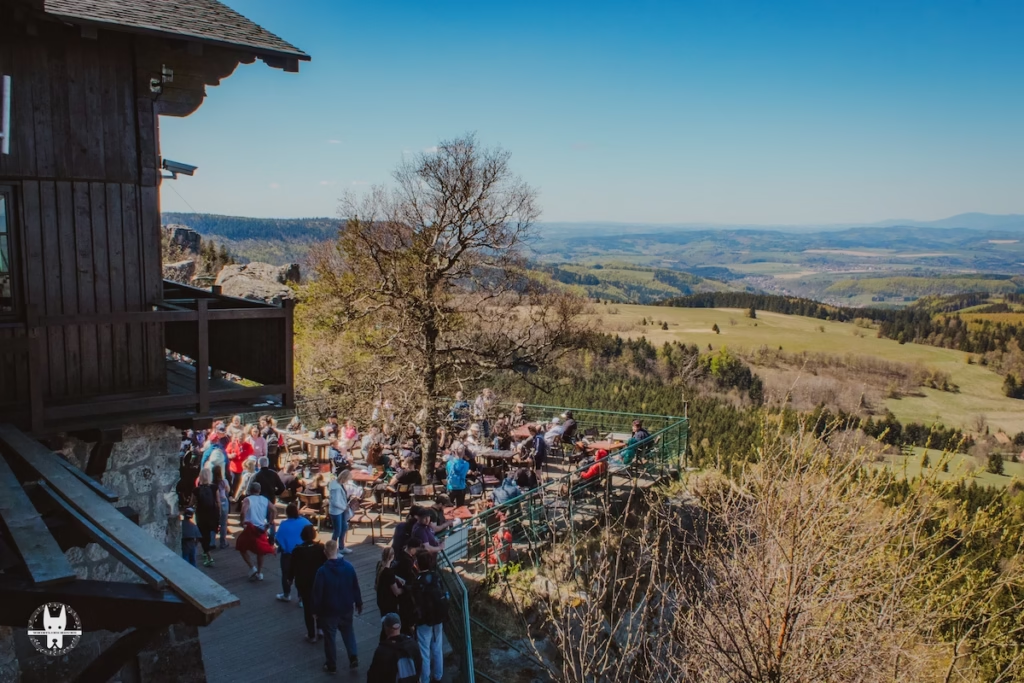
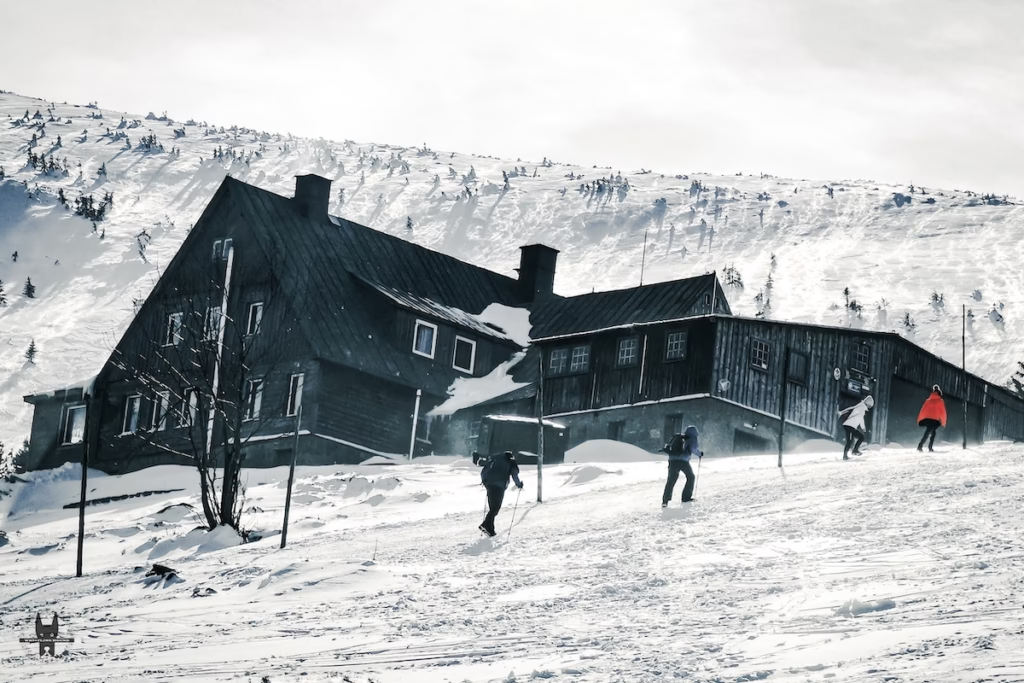
Come for a hike, stay for the mountain shelters in Lower Silesia!
It’s a privilege to call Lower Silesia home! It’s the region in southwestern Poland designed for slow travel. The dominant mountain range here is the Sudetes, and they don’t rush you. They unfold in slow layers: Norwegian spruce forests, wind-carved plateaus, and long ridgelines inviting you to keep going. Scattered across this landscape are traditional Polish mountain shelters (Polish: schronisko) that have shaped the region’s hiking culture for decades. From cattle herders to forest rangers and mountain rescue teams, these huts have witnessed stories told and untold.
For travellers who want to understand the Sudetes beyond viewpoints and trail maps, take some time to stop at these PTTK shelters in Lower Silesia. Grab a platter of hearty pierogi, steaming bigos, or wholesome Żurek and admire those versatile indoors as well as outdoors.
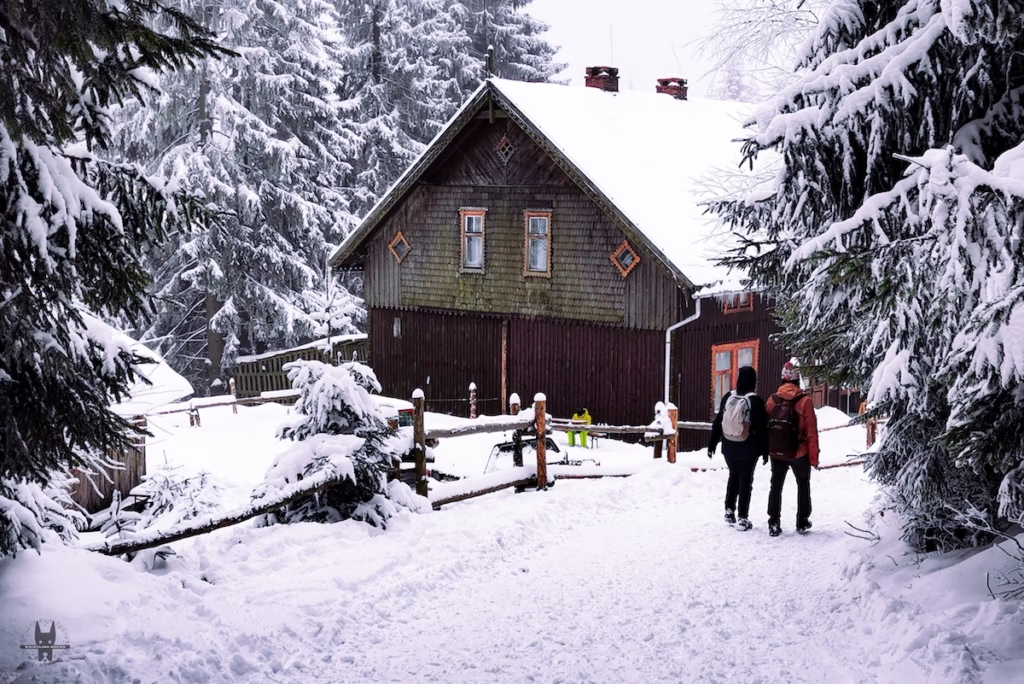
This guide to Poland’s finest mountain shelters brings together the most iconic mountain huts in Lower Silesia. Each has been chosen for a reason: atmosphere, history, location, trail access, or simply the feeling you get when you walk through the door after a long hike. Whether you’re planning a hike in the Karkonosze, a quiet retreat in the Izery, or a first look at Poland’s mountain-hut culture, these are the places worth knowing (and staying in). As an avid lover of hiking in the Polish mountains, I took pit stops at all of these shelters and many more during my several adventures since 2018.
1. Schronisko Szrenica (1362 m)
Karkonosze Mountains
Schronisko Szrenica stands almost exactly where the Karkonosze outdoors go from “mildly windy” to “proper mountain”. Built in 1922 as a stone lodge inspired by early Alpine shelters, it still keeps the same rugged silhouette and wide, high-exposure placement on the ridge. Perched just below the summit of Szrenica, it’s one of the most recognisable PTTK mountain shelters in Lower Silesia and a classic stop for hikers traversing the western Karkonosze. It functions as a key rest point on one of the busiest sections of the Sudetes.
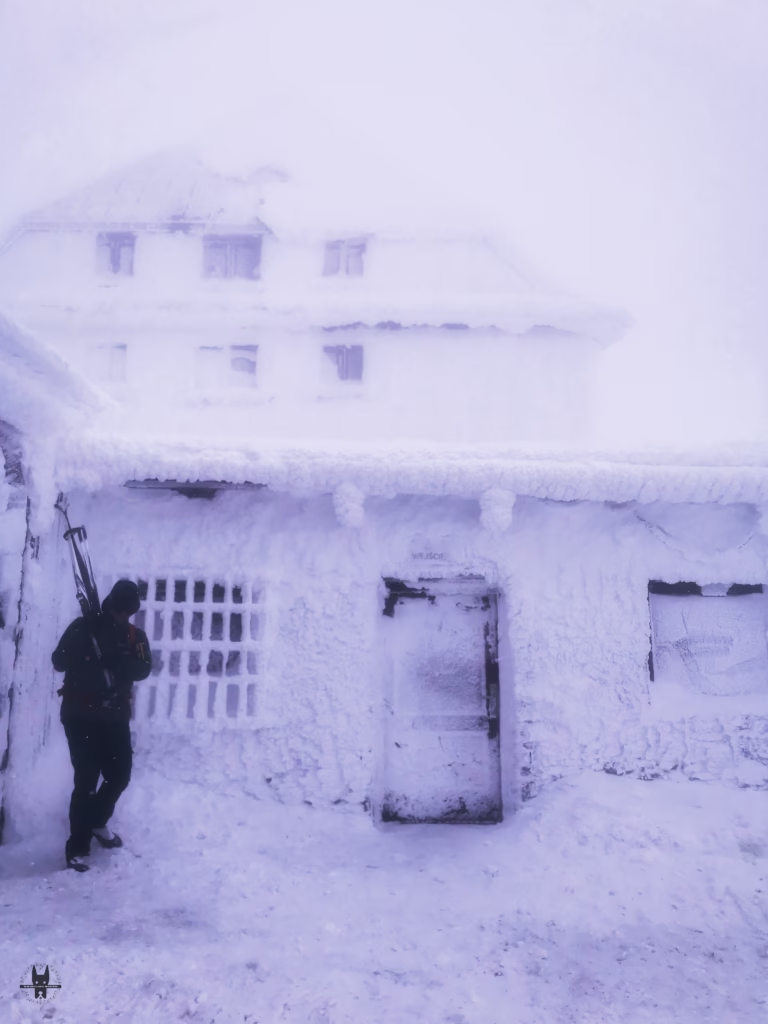
What makes it special?
• Direct access to the red-marked main ridge trail toward Śnieżne Kotły and Śnieżka
• Classic mountain-hut atmosphere: wooden interiors, communal dining, hot soups, ridge views
• One of the best sunrise and winter-light viewpoints in the western Karkonosze
Best for: Ridge-trail hikers, Lower Silesia winter hikes, sunrise photographers.
2. Hala Szrenicka Mountain Hut (1195 m)
Karkonosze Mountains
Just below Szrenica, on the open meadow known as Hala Szrenicka, sits another important stop: Schronisko na Hali Szrenickiej. Built in 1781 as a shepherd’s cabin and later rebuilt as a mountain inn in the 19th century, it’s one of the oldest documented PTTK Karkonosze mountain huts. Often listed among the most atmospheric mountain huts in Lower Silesia, Hala Szrenicka offers a traditional mountain-hut feel, warm meals, and that classic, lived-in character hikers appreciate.
Why do hikers love it?
• Located on a forest–meadow shelf with wide views into the valley
• Perfect intermediate stop before climbing to Szrenica
• Gentle access trails make it beginner-friendly
• Serves as an ideal day trip from Wrocław
Stay at Hala Szrenicka? Yes. This is the main accommodation option on this part of the ridge. More comfortable than many older huts in the Sudetes. Check their website.
Best for: First-timers, photographers, hikers preferring easier approaches.
3. Schronisko Kamieńczyk (840 m)
Karkonosze Mountains – next to Poland’s highest waterfall
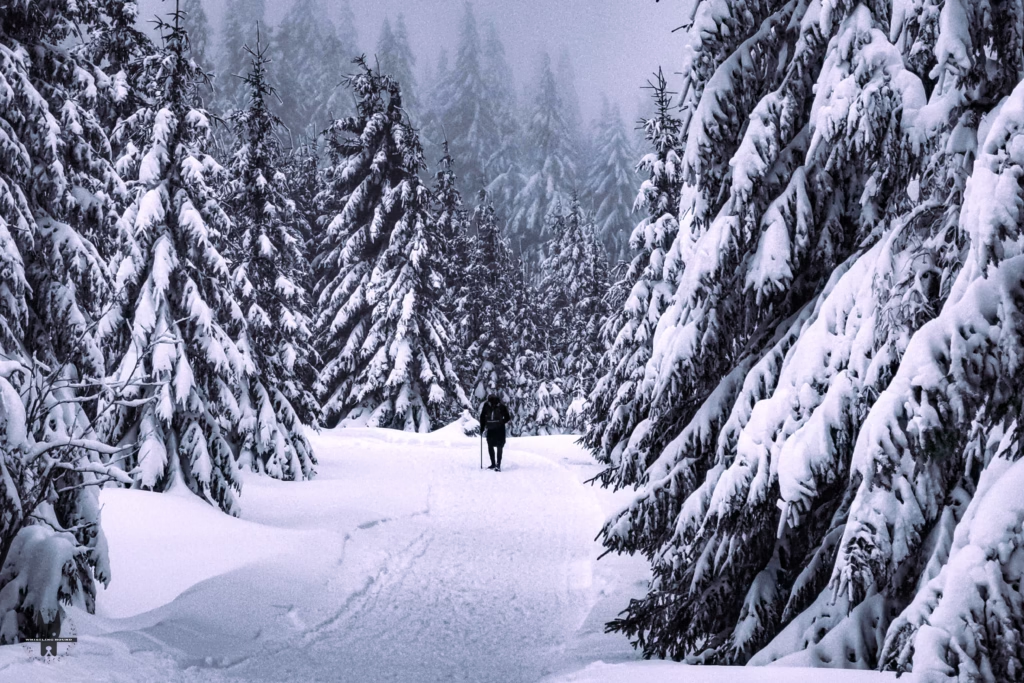
Schronisko Kamieńczyk sits right above Wodospad Kamieńczyka, the highest waterfall in the Polish Karkonosze. Originally a simple wooden cabin used by woodcutters and miners in the 19th century, it grew into a well-known PTTK mountain shelter in Lower Silesia, thanks to its strategic location on the red trail from Szklarska Poręba. Today, Schronisko Kamieńczyk is a compact, lively mountain stop serving as a perfect break for hikers making their way toward Szrenica or Śnieżne Kotły.
What makes it special?
• Direct access to Kamieńczyk Waterfall and the gorge (paid entry, helmets required in the gorge)
• Short, easy walk from Szklarska Poręba, popular for beginners and families
• Reliable food stop before the long climb toward Hala Szrenicka and the ridge
• 3.5h train ride makes it a perfect day trip from Wrocław
Stay at Kamieńczyk? Accommodation is available, though basic and limited. A good overnight option for an early start on the ridge trails.
Best for: Families, first-timers, hikers wanting a short warm-up before climbing higher into the Karkonosze.
4. Schronisko Pod Łabskim Szczytem (1168 m)
Karkonosze Mountains – historic ridge base above Szklarska Poręba
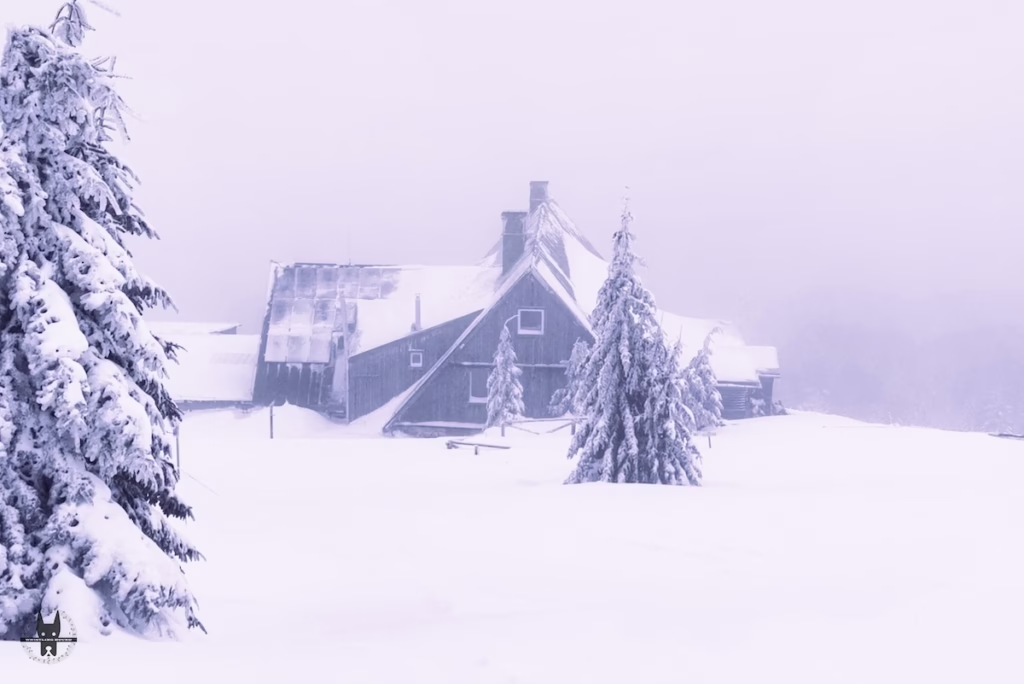
Schronisko Pod Łabskim Szczytem, also referred to as Stara Śląska Buda, is one of the oldest high-mountain huts in the Polish Sudetes and one of the most atmospheric. The first documented shelter appeared here in the 17th century as a base for shepherds and glassworkers. Its current form, shaped in the early 20th century, follows the classic Sudetes stone-and-wood style. It is compact, simple, and positioned with perfect access to old glacial cirques.
The hut sits at the edge of the Łabski Szczyt massif, right below Śnieżne Kotły, making it a favourite among hikers aiming for the most dramatic part of the Karkonosze ridge.
Why do hikers love it?
• Direct approach to Śnieżne Kotły via the red trail
• One of the best bases for ridge crossings toward Szrenica or Śnieżka
• Cozy, traditional interior; reliable PTTK meals; real mountain-hut character
• Strong historical identity, mentioned in 18th-century maps as a shepherd’s retreat
• A quick day-trip from Wrocław
Stay at Pod Łabskim Szczytem? Yes, and it’s a perfect location if you want a quieter alternative to the busier Karkonosze huts. A strong base for sunrise missions above the cirques.
Best for: Ridge hikers, history-loving trekkers, anyone targeting Śnieżne Kotły.
5. Schronisko Orle (840 m)
Izera Mountains – the old Prussian border post turned mountain shelter
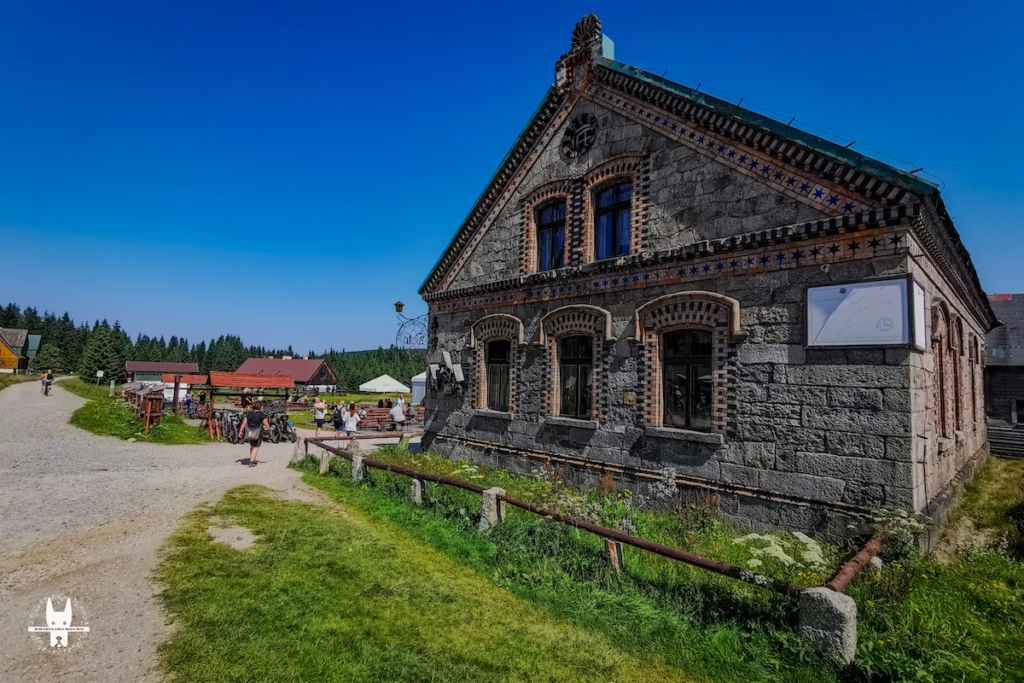
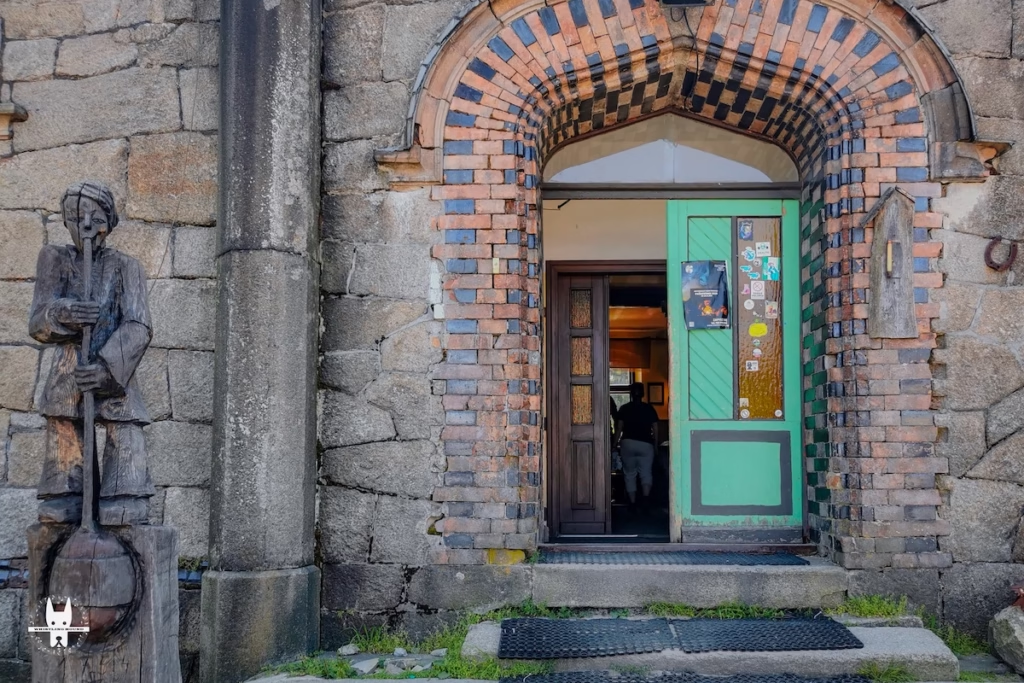
Deep inside the Izera wilderness, Schronisko Orle feels different from the Karkonosze huts. Around Orle, it’s calmer, slower, and surrounded by vast spruce-and-bog landscapes shaped by frost and old mining trails. Built in 1860 as a border guard station between Prussia and the Austro-Hungarian Empire, the complex later became a foresters’ base before transforming into one of the core PTTK shelters in Izery.
Orle is part of a small historical settlement alongside Chatka Górzystów, forming one of the most atmospheric hiking pockets in the whole of Lower Silesia. Dolina Izery is among the few dark-sky reserves in Poland, perfect for stargazing and astrophotography.
What makes it special?
• Located at the crossroads of iconic Izera trails, including the blue and yellow routes
• One of the best winter mountain shelters in Lower Silesia, thanks to the famous cross-country ski routes from Jakuszyce
• Beautiful low-light photography conditions: wide valleys, dark-sky reserve, frost plains
• Quiet, laid-back, and surrounded by forest, ideal for long, meditative hiking days
• Most beautiful biking trails in Dolina Izery
Stay at Orle? Yes, it offers simple rooms, warm food, and that unmistakable old-border-post character. A strong choice for hikers exploring the quieter side of Lower Silesia.
Best for: Lower Silesia winter hikes, cross-country skiers, solitude seekers, and hikers exploring the Izera backcountry.
6. Chatka Górzystów (840 m)
Izera Mountains – the last surviving house of a vanished village

Chatka Górzystów is one of the most meaningful stops in the entire Sudetes. It stands alone on the Izera Plateau, in the middle of what used to be the German village of Groß-Iser, a settlement erased after World War II. Today, this single wooden hut is the only surviving building, giving the area an atmosphere you don’t find anywhere else in Lower Silesia.
Originally a simple forester’s house, later adapted by hikers, Chatka Górzystów became iconic for its isolation, its simple interiors, and its legendary food. The surrounding landscape is a mix of peat bogs, frost hollows, and open meadows shaped by harsh Izera winters. It’s also a great stop for mountain biking in Dolina Izery.
Why do hikers love it?
• One of the most remote mountain shelters in Lower Silesia, with total silence, no road access
• Famous for its naleśniki (pancakes), arguably the most beloved hut meal in the region
• On the blue trail connecting Orle with Świeradów-Zdrój
• Perfect entry point into the Izera Dark Sky area and frost zones
• Strong historical aura. Last remnant of a village lost to time
Stay at Chatka Górzystów?
Yes, but extremely basic: mattresses, shared spaces, limited facilities. Come for the atmosphere, not comfort.
Best for: History lovers, solitude seekers, multi-day hikers crossing the Izera Plateau.
7. Schronisko Dom Śląski (1400 m)
Karkonosze Mountains – the most strategic base under Śnieżka

Dom Śląski is one of the most important mountain shelters in Poland due to its location. It sits right at the foot of Śnieżka, on the saddle between Poland and the Czech Republic. The original building dates back to the late 19th century, serving border guards and mountain travellers. The modern structure was rebuilt mid-20th century and is now a major PTTK hub for hikers taking the final ascent to Śnieżka.
Its high placement means heavy winds, fast-changing weather, and some of the most dramatic scenery in the Sudetes.
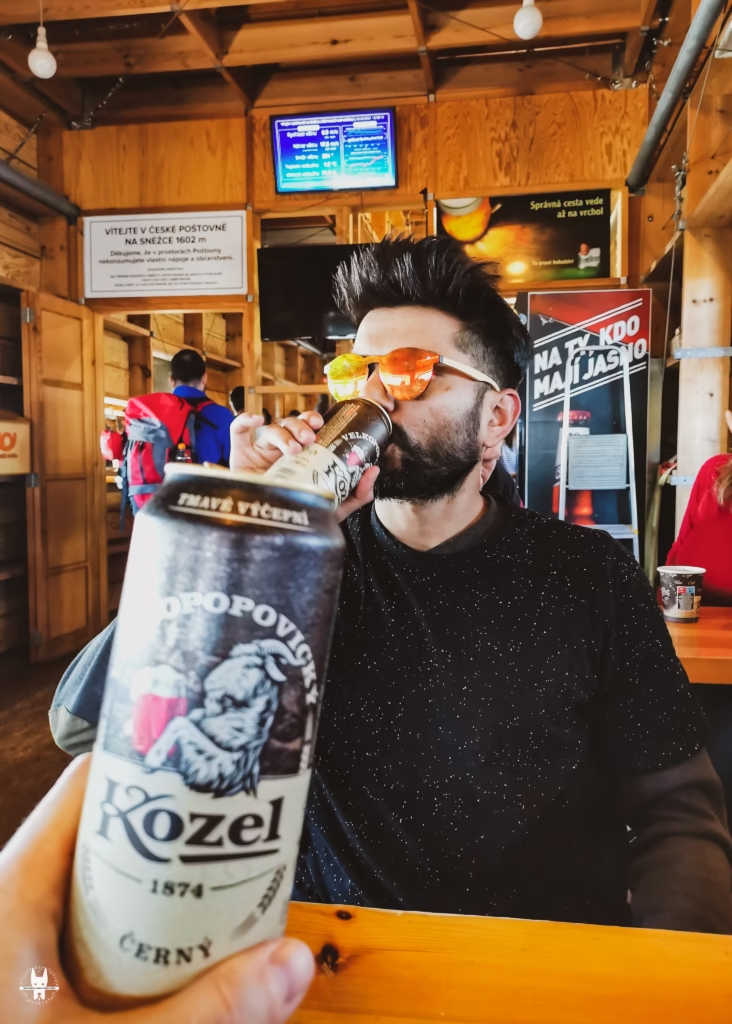
What makes it special?
• The main staging point for climbing Śnieżka from the Polish side
• Direct access to the Polish–Czech ridge route, including the red trail toward Słonecznik
• Reliable food and facilities despite high exposure and difficult logistics
• One of the highest and busiest mountain shelters in Lower Silesia
Stay at Dom Śląski? Yes. Beds are available, usually booked well in advance during the summer and weekends.
Best for: Summit hikers, ridge-route trekkers, sunrise and winter photographers.
8. Schronisko PTTK Zygmuntówka (740 m)
Sowie Mountains – a classic low-mountain hut with a strong local tradition
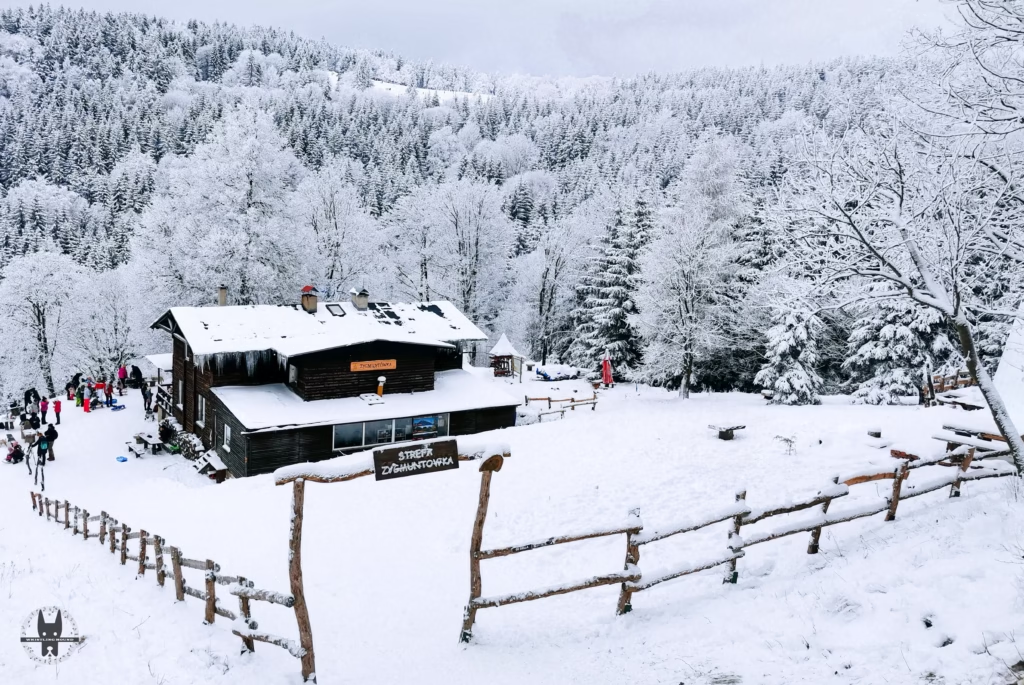
Schronisko Zygmuntówka sits on the Jugowska Pass in the Sowie Mountains, one of the oldest mountain ranges in Poland. Built in 1938 by a local skiing association, it quickly became a meeting point for winter sports enthusiasts. Among popular mountain shelters in Lower Silesia, Zygmuntówka holds a strong local identity, not just for hikers, but also for cross-country skiers who use Jugów and the surrounding ridges as their training grounds.
The Sowie Mountains have a different feel from the Karkonosze and Izery: beech forests, gentler slopes, and long ridge traverses without harsh weather conditions.
Why do hikers love it?
• Excellent access to the Sowie ridge trail toward Wielka Sowa
• Quiet, family-run atmosphere with classic Polish hut meals
• Popular with cross-country skiers (especially in good snow seasons)
• Great option if you prefer low-mountain landscapes and forest walking
Stay at Zygmuntówka? Yes, it has comfortable rooms, friendly hosts, and convenient access to trails.
Best for: Beginners, families, cross-country skiers, and hikers exploring the Sowie Mountains for the first time.
9. PTTK Hostel “Na Szczelińcu” (905 m)
Table Mountains – an overnight stay inside a sandstone labyrinth
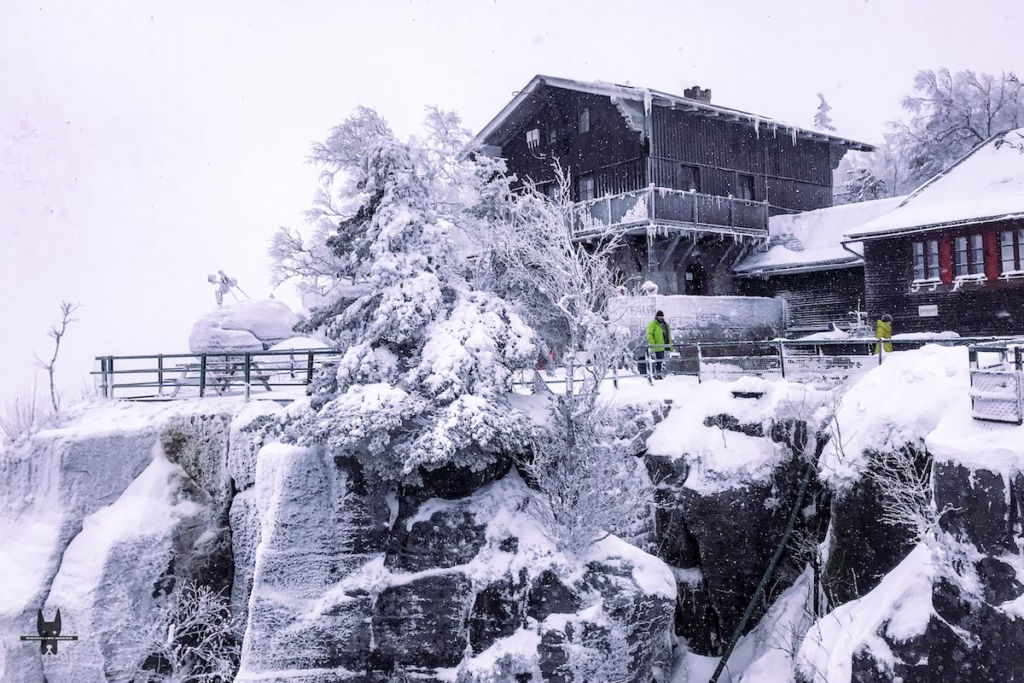
This is the only PTTK mountain shelter in Lower Silesia in the Table Mountains National Park, and easily one of the most unique mountain huts in Poland. Located on top of Szczeliniec Wielki (the highest peak of the Table Mountains), the hut offers a surreal setting surrounded by sandstone formations, narrow passages, and rock towers carved by millions of years of erosion.
The original shelter was built in 1846 as a rest house for early tourists visiting the sandstone maze. The current structure keeps the same mountain-inn charm, with panoramic terraces facing the Broumov Walls and deeper parts of the national park.
What makes it special?
• The only hut on a Table Mountain plateau
• Direct access to some of the most iconic sandstone formations in Central Europe
• Sunset and sunrise light over the rock city make incredible conditions for photography
• A rare chance to stay inside a national park geological wonder
Stay at Na Szczelińcu? Yes. It is one of the most atmospheric overnights in Lower Silesia, especially outside high season.
Best for: Nature photographers, sandstone-trail explorers, and hikers interested in unique geology.
10. Szwajcarka Mountain Shelter (520 m)
Rudawy Janowickie – a Swiss-style hut at the gateway to Poland’s climbing heartland
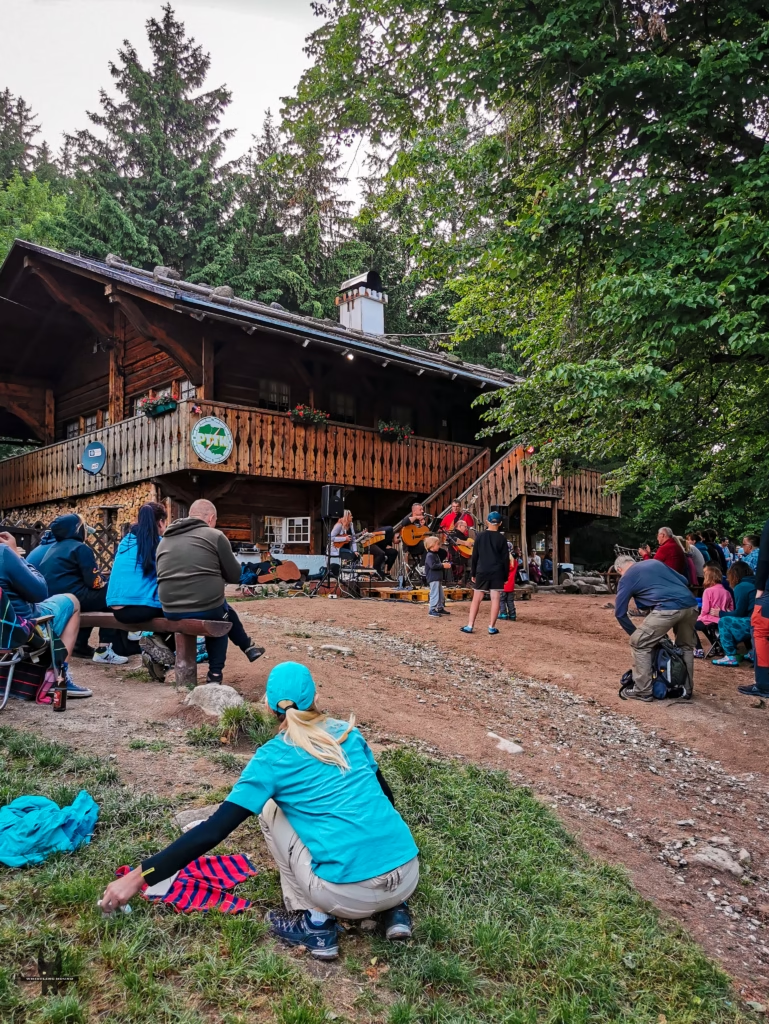
Szwajcarka is one of the most distinctive mountain shelters in Lower Silesia, thanks to its architectural style. Built in 1823 by the von Reden family, it was designed as a Swiss chalet, a rarity in the Polish mountains. The hut sits in the Rudawy Janowickie, right below the Sokole Mountains, an area famous for granite towers, climbing crags, and quiet forest trails.
Over the decades, Szwajcarka has been a starting point for generations of Polish climbers, hikers, and nature lovers. Its wooden interiors and peaceful location give it a nostalgic, old-mountain vibe that you don’t find in larger Karkonosze shelters.
Why do hikers love it?
• Direct access to the Sokole Mountains, the historic training ground for Polish climbers
• Beautiful wooden chalet architecture — one of the most unique hut designs in the Sudetes
• Quiet forest setting with easy trails for beginners and families
• Close to Góry Sowie viewpoints, Karpniki Castle, and the base of Rudawy granite formations
Stay at Szwajcarka? Yes. Simple but atmospheric accommodation, especially appealing to hikers who prefer small huts with character.
Best for: Climbers, hikers looking for gentle trails, and architecture enthusiasts.
11. Schronisko PTTK Jagodna (977 m)
Bystrzyckie Mountains – one of the quietest huts in Lower Silesia
Schronisko Jagodna sits on the ridge of the Bystrzyckie Mountains, a lesser-known but beautifully serene part of the Sudetes. Originally built in 1895 as a mountain inn for travellers crossing the Spalona Pass, it later became an important stop for winter tourism. The region’s wide, forested plateaus make it a paradise for long-distance walkers, cyclists, and cross-country skiers.
Unlike the high-mountain shelters of the Karkonosze, Jagodna is all about peace, spruce forests, and gentle ridgelines. It has recently become popular thanks to nearby cycling routes and its accessible year-round approach.
Why do hikers love it?
• One of the best winter cross-country skiing hubs in Lower Silesia
• Surrounded by calm spruce and mixed-forest landscapes
• Direct connection to the blue trail toward Jagodna peak and long-distance Sudetes routes
• Consistently reliable food, warm interiors, and friendly service
Stay at Jagodna? Yes. Comfortable rooms and a great base for hikers wanting an easy, relaxing Polish mountain-hut experience.
Best for: Cross-country skiers, cyclists, families, and hikers seeking quiet trails away from crowds.

More than just places to sleep, these mountain huts in Lower Silesia are the flag bearers of Sudeten culture. Each has its own story, its own micro-community, and its own way of showing you what these mountains are really about. Whether you’re seeking remote quiet, ridge adventures, historical depth, or simply a warm meal in the right place, these PTTK mountain shelters deliver experiences that stay with you.
If this guide inspired you to explore these mountain huts in Lower Silesia, and you’d like a planned route or a full multi-day adventure with stays booked for you, just drop me a message.

Mountain Shelters in Lower Silesia FAQ
- What are the best mountain huts in Lower Silesia?
Some of the most iconic mountain huts in Lower Silesia include Schronisko Szrenica, Pod Łabskim Szczytem, Dom Śląski, Chatka Górzystów, Schronisko Orle, and PTTK Jagodna. Each offers a distinct experience, from high-ridge panoramas to quiet forest valleys. - Can you stay overnight in the Karkonosze mountain huts?
Yes. Most mountain huts in Lower Silesia, including those in Karkonosze, offer overnight stays. Expect a mix of shared dorms and simple private rooms, depending on the hut. - Are mountain huts in Lower Silesia family-friendly?
Many are. Hala Szrenicka, Zygmuntówka, Jagodna, and Kamieńczyk are among the easiest to reach, with moderate trails suitable for families and casual hikers. - What is the Polish word for a mountain hut?
The Polish term is schronisko. It refers to traditional mountain shelters offering meals, accommodation, and access to marked trails. - When is the best time to visit these huts?
Late spring to early autumn provides the most stable conditions. Winter is excellent for cross-country skiing in the Izery and snow hiking in the Karkonosze, especially around Śnieżka. Just prepare for true mountain weather.
Further read: Best Winter Hikes Near Wrocław For Every Mountain Person